
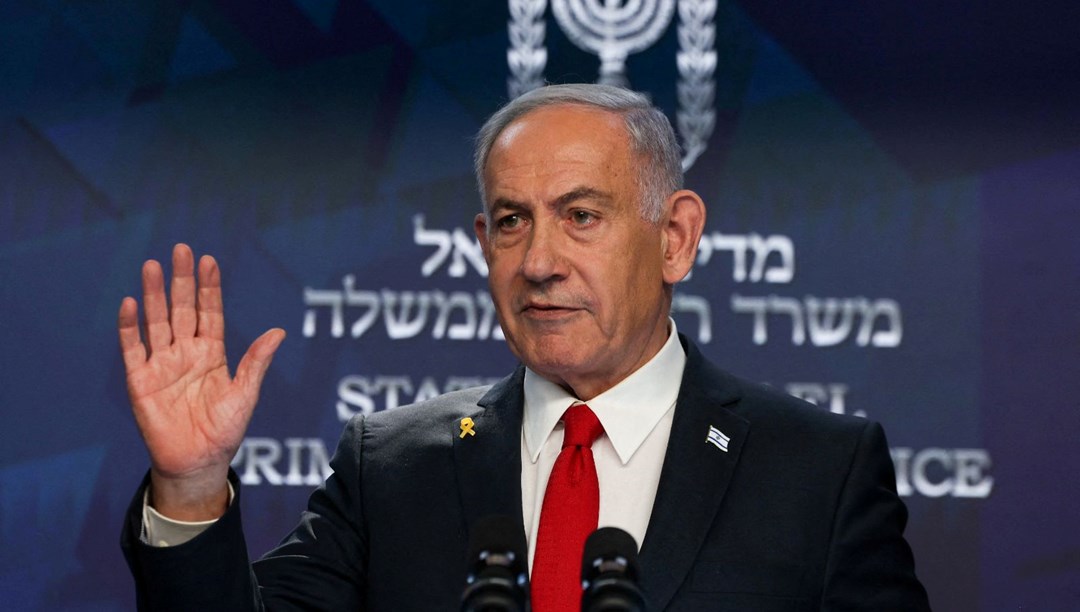
Binyamin Netanyahu Critiques Global Leaders Amidst Gaza Conflict
In a significant escalation of rhetoric, Israeli Prime Minister Binyamin Netanyahu has sharply criticized global leaders, including UK Prime Minister Keir Starmer, French President Emmanuel Macron, and Canadian Prime Minister Mark Carney. This criticism arose following a statement from the three leaders demanding an end to Israel’s recent military actions in Gaza. Netanyahu’s response indicates a deepening divide between Israel and its Western allies, particularly concerning the ongoing conflict in the region.
Global Leaders Call for Restraint
The joint statement from Starmer, Macron, and Carney marked one of the strongest condemnations of Israel’s military operations since the outbreak of the recent hostilities. The leaders expressed their concerns over the humanitarian situation in Gaza and warned Israel of potential consequences should it fail to alter its course. Their statements call attention to the international community’s mounting pressure on Israel to reevaluate its aggressive tactics in the region.
Starmer specifically criticized the Israeli government’s decision to permit only a limited amount of humanitarian aid into Gaza, describing it as “extremely inadequate.” This sentiment underscores the growing concern among several nations that Israel’s strategy may exacerbate the humanitarian crisis rather than alleviate it. Furthermore, Starmer announced that the UK would suspend discussions regarding possible trade agreements with Israel, reflecting a tangible shift in diplomatic relations.
Netanyahu Defends Israel’s Position
In a video message released shortly after the leaders’ statements, Netanyahu vehemently defended Israel’s military actions, placing much of the blame on the militant group Hamas. He alleged that Hamas aims to annihilate Israel and the Jewish people. The Prime Minister’s rhetoric signaled a continued commitment to pursuing military objectives in the face of external criticism. He indicated that the criticisms from countries like the UK, France, and Canada suggest a desire for Hamas to continue existing, a point he emphasizes as a significant issue.
Netanyahu’s assertion that Israel’s closest allies expect it to “withdraw” and allow Hamas to survive was particularly striking and showcases the complexity of international relations about the ongoing crisis. Netanyahu stated, “You are on the wrong side of humanity, and you are on the wrong side of history,” which reflects a broader narrative about the legitimacy of Israel’s struggle against what it perceives as terrorism.
The Humanitarian Crisis in Gaza
Despite Netanyahu’s assertions, the humanitarian crisis in Gaza has reached alarming levels. Various international organizations report that the blockade has severely affected medical supplies, food resources, and basic necessities for millions of Palestinians. The humanitarian situation increasingly draws widespread condemnation from both the public and various countries, pushing for more substantial aid and intervention.
Public opinion in many Western countries is shifting, with increasing pressure on governments to take a stand against perceived injustices. The global discourse is evolving, with citizens from various nations calling for more balanced approaches toward Israel and the Palestinian territories. The urgent need for humanitarian aid has created various advocacy groups and initiatives aimed at improving conditions in Gaza.
Political Ramifications for Western Leaders
Starmer, Macron, and Carney’s joint criticism of Israel may have significant political implications for them. Facing backlash from pro-Israel factions within their nations, the leaders must carefully navigate their political landscapes. While their statements reflect a significant stance on the humanitarian aspects, they must also consider the potential backlash from constituents who support Israel’s right to defend itself against terrorism.
As the discourse continues to evolve, these leaders will likely face increasing scrutiny regarding their responses to ongoing hostilities. The challenge lies in balancing international relations with domestic pressures, particularly as public sentiment gradually leans towards advocating for human rights and humanitarian relief.
International Perspective on the Conflict
The ongoing conflict between Israel and Hamas is not merely a bilateral issue but one that reverberates across the globe. The geopolitical dynamics at play are complex, involving considerations related to regional stability, international alliances, and moral imperatives. Many nations are weighing the implications of their foreign policies against the backdrop of humanitarian principles.
As countries respond to the crisis, it is imperative they acknowledge the need for a comprehensive approach that encompasses not only military and security concerns but also humanitarian needs and diplomatic negotiations. Advocating for a ceasefire and long-term resolution requires concerted efforts from global leaders to engage all parties in open dialogue.
In this context, Netanyahu’s outspoken defense of Israel’s actions against international criticism raises questions about future cooperation and peace discussions. The progression of this conflict will undoubtedly influence diplomatic relations and international policies moving forward.
While tensions remain high, the potential for dialogue and a peaceful resolution cannot be entirely discounted, especially as voices for change grow louder. Global leaders are now faced with the challenge of reconciling national interests with humanitarian obligations in a conflict that continues to hold the world’s attention.