
US Troop Withdrawal from South Korea: Latest Developments
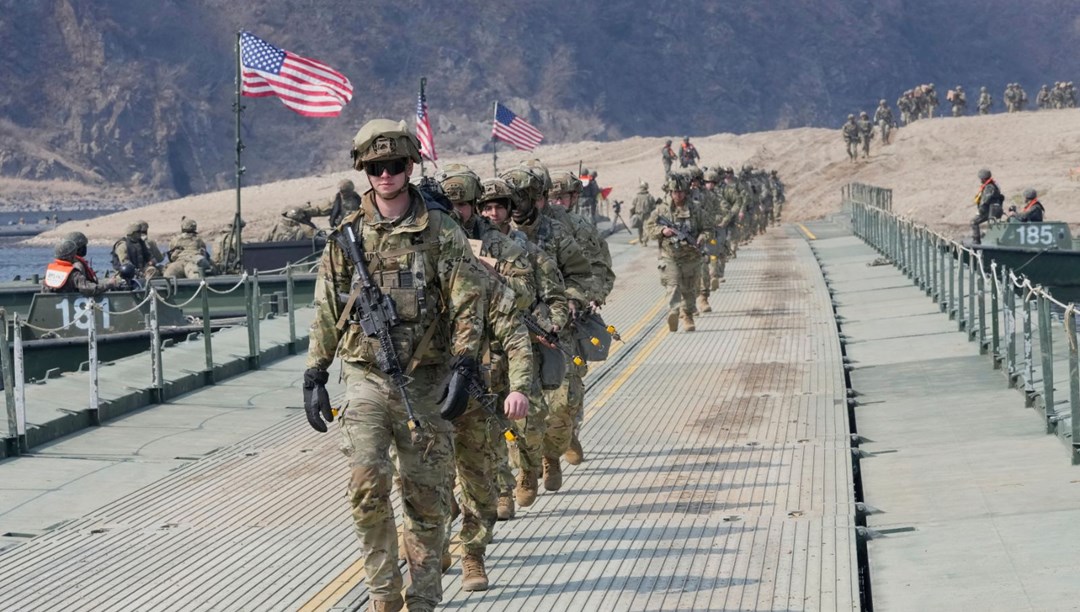
Reports have emerged concerning a potential withdrawal of around 4,500 US troops from South Korea, a strategic maneuver that could significantly reshape the military dynamics in the region. As tensions with North Korea continue to be a focal point, the implications of such a reduction are profound for both South Korea and the United States.
Pentagon’s Response to Withdrawal Claims
The Pentagon swiftly addressed these concerns through a statement from its spokesperson, Sean Parnell. He emphatically denied reports indicating a troop reduction, asserting that the United States remains "committed" to South Korea’s defense. Importantly, the Pentagon underscored its enduring partnership with South Korea, aiming to maintain a united front against potential threats.
In light of the upcoming presidential elections in South Korea on June 3rd, the Pentagon expressed readiness to collaborate with the newly elected government. This illustrates the United States’ strategic flexibility and willingness to adapt its military posture in consultation with South Korean leadership.
The Importance of the US-South Korea Alliance
The alliance between the United States and South Korea has been a cornerstone of stability in Northeast Asia since the Korean War. With 28,500 US troops stationed in South Korea, their role is not merely symbolic; these forces are integral to deterring aggression from North Korea and ensuring regional peace. The question of troop levels is inherently tied to broader geopolitical considerations.
South Korean Defense Ministry officials have also indicated that there have been no discussions with the Pentagon regarding a troop withdrawal, affirming that the strength of the US-South Korea alliance lies in their joint military readiness. Their statement emphasized that the US Forces Korea (USFK) have been crucial in maintaining a robust defense posture against threats posed by North Korea.
Potential Reactions in South Korea
Should there be a substantial withdrawal of US troops, the reactions from both the South Korean government and its citizens could vary. Many South Koreans appreciate the US military presence as a vital security measure. However, there is also a segment of the population that advocates for South Korea to bolster its own defense capabilities independently of US support.
The anxiety surrounding North Korea’s nuclear ambitions is a persistent theme in South Korean public opinion. Any perceived weakening of the US military presence could lead to increased concern about the nation’s security and provoke calls for stronger independent military initiatives.
Implications for Regional Security Dynamics
The Asia-Pacific region is characterized by complex security dynamics that have significant implications for global stability. A troop withdrawal could embolden North Korea, potentially leading to increased provocations and military tests. On the contrary, this move could also be seen as an opportunity for diplomatic engagement. If the US adopts a more flexible military stance, it may open doors for dialogue regarding denuclearization and peace talks.
Moreover, regional allies such as Japan and Australia will be closely monitoring the situation. Their security strategies are intertwined with the US military presence in the region, and any shift in troop levels could prompt reassessments of their own defense postures.
Future Collaborations Between the US and South Korea
The Pentagon has reaffirmed its commitment to work closely with whatever government takes office after the South Korean elections. This approach suggests that the US seeks to prioritize its alliance strategy and ensure that both nations can effectively address common challenges. Such collaborative efforts will likely revolve around military exercises and joint operational capabilities.
Furthermore, an effective partnership will require both nations to navigate various diplomatic hurdles, as North Korea’s unpredictability remains a constant variable in the strategic calculus of the region.
The Role of Public Perception in Military Strategy
Public perception plays a critical role in shaping military strategies. For the United States, the need to justify troop levels abroad is often scrutinized by both domestic audiences and international partners. As these developments unfold, US policymakers must tread carefully, balancing military commitments with the necessity of maintaining public support and diplomatic relationships.
The uncertainty surrounding the incoming South Korean administration’s approach to defense policy will heavily influence future discussions about the US troop presence. The evolving political landscape could present opportunities for reassessment, potentially altering the dynamics of the US-South Korea alliance further.
Conclusion
In conclusion, the discourse surrounding the potential withdrawal of US troops from South Korea exemplifies the delicate balance of security, diplomacy, and public sentiment. As geopolitical tensions simmer, the decisions made in the coming months will undoubtedly have far-reaching effects, not only for the Korean Peninsula but for the entire Asia-Pacific region. As both nations navigate the path forward, collaboration and communication remain essential to ensure lasting stability and peace.