
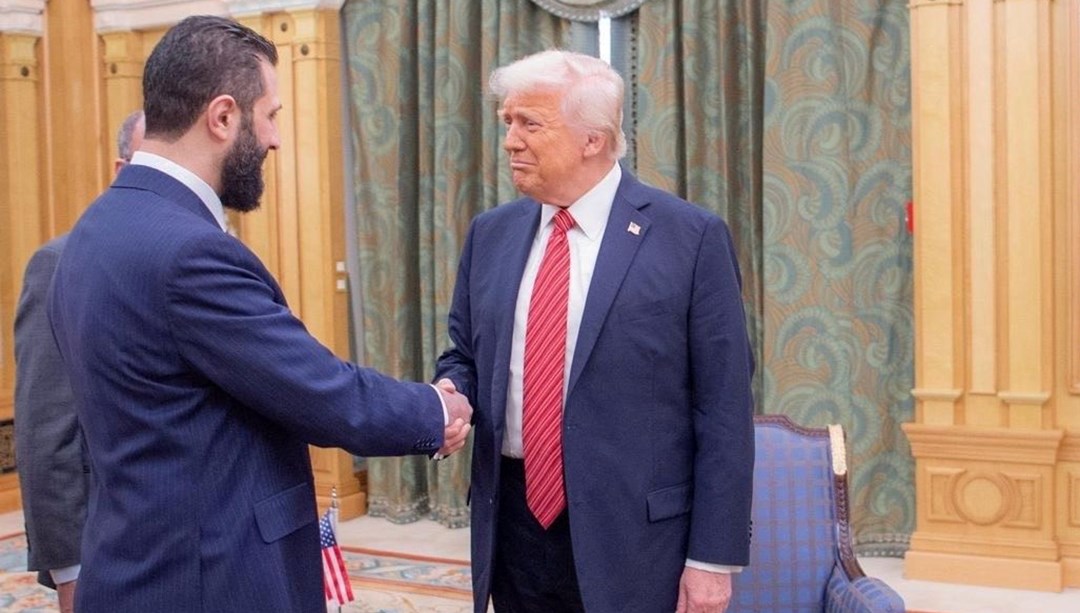
Trump’s Announcement: Lifting Sanctions on Syria
Recently, President Donald Trump announced during his Middle East tour that the United States intends to lift sanctions imposed on Syria. Speaking from Riyadh, Saudi Arabia, he emphasized the significance of this move and highlighted his recent conversation with President Erdoğan of Turkey, who echoed similar sentiments regarding the sanctions. The announcement marked a pivotal moment in U.S.-Middle Eastern relations within the context of Syria, signaling a potential shift in policy.
Historical Context of U.S. Sanctions
The sanctions against Syria trace back to December 1979, when the country was designated as a state sponsor of terrorism. This initial classification led to a series of measures, including a ban on defense exports and stringent controls over dual-use goods that could both aid civilian and military operations. Sanctions escalated significantly with the outbreak of the civil war in Syria in 2011, targeting sectors that funded the Assad regime, particularly the energy and finance sectors.
The Caesar Syria Civilian Protection Act
In December 2019, President Trump signed the Caesar Syria Civilian Protection Act, which further expanded existing sanctions. This legislation aimed not only at the Assad regime but also at foreign individuals and entities that support it. The act sought to tighten the grip on the regime’s financial capabilities, effectively isolating it from the global economic system. The Central Bank of Syria also became a target of these sanctions, complicating financial transactions and access to funds.
Economic Impacts of Sanctions
The economic implications of U.S. sanctions on Syria are substantial. Recognized as among the most comprehensive economic restrictions globally, U.S. sanctions encompass asset freezes, sectoral sanctions, and measures against foreign individuals and organizations. These sanctions aim to cripple the Assad regime’s ability to govern effectively by undermining its access to financial resources and international support.
The recent discussions around lifting these sanctions come on the heels of the anticipated collapse of the Baas regime, marking a potential turning point in the long-standing impact of these economic restrictions. The removal of sanctions is seen as a crucial step toward rebuilding Syria post-conflict.
European Union’s Stance on Sanctions
In response to the evolving situation in Syria, the European Union (EU) held a meeting of Foreign Ministers in Brussels, where they decided to lift sanctions against the war-torn country. High Representative Josep Borrell articulated the EU’s objective, stating, "We wish to assist the people of Syria in building a new, inclusive, and peaceful nation." This marked a critical step towards both economic recovery and regional stabilization.
Under the new framework, EU member states are authorized to provide funding for restructuring initiatives targeting Syria’s defense and interior ministries. Emphasis was placed on capacity-building efforts and collaborations aimed at combating terrorism and managing migration effectively.
Implications for Syria’s Recovery
The decision to lift sanctions from both the United States and the EU holds profound implications for Syria’s recovery trajectory. It signifies a potential shift in international relations regarding Syria, suggesting that a cooperative approach may be viable going forward. Many experts view the lifting of these sanctions as essential for kick-starting economic recovery in a country that has faced devastation from years of conflict.
Without the burden of sanctions, Syria is expected to see an increase in trade and investment, which are crucial for reconstructing its infrastructure. This newfound economic freedom may also boost efforts for humanitarian aid, enabling organizations to provide essential services to the Syrian populace still grappling with the aftermath of war.
Addressing Humanitarian Concerns
In light of these developments, humanitarian organizations are advised to remain vigilant and proactive in assessing how changes in sanctions may affect their operations in Syria. The necessity for continued support for internally displaced persons and those affected by conflict remains paramount.
It is critical that the lifting of these sanctions results in meaningful support for the Syrian people rather than benefiting the Assad regime directly. Effective monitoring and evaluations are essential to ensure that aid reaches those who need it most and that international efforts are aligned with the goal of genuine peace and stability.
Conclusion
The recent announcements regarding the lifting of sanctions on Syria mark a watershed moment in the geopolitical landscape of the region. As the international community adapts to new dynamics, the focus must remain on fostering a sustainable pathway toward peace. Strengthening ties with neighboring countries and engaging more constructively with Syria will be crucial in transforming this war-torn nation into a stable and prosperous society.
By understanding the historical context, the implications of recent policies, and the commitment to humanitarian causes, stakeholders can work collaboratively to chart a new course for Syria’s future.