
Russian Defense Ministry Reports on Military Activities
In a recent statement from the Russian Defense Ministry, an overview of military operations conducted between May 17 and May 23 was provided, focusing on the ongoing Russia-Ukraine War. The ministry emphasized significant developments during this period, highlighting strategic advancements as well as the impact of targeted military activities aimed at Ukrainian military capabilities.
Strategic Territorial Gains
During the last week, the Russian military claimed to have successfully captured six settlements in Ukraine, specifically in the Sumi, Kharkiv, and Donetsk regions. This announcement underscores the continuous territorial dynamics in the conflict. The settlements identified in the ministry’s report include:
- Maryino in the Sumi region
- Radkovka in the Kharkiv region
- Aleksandropol, Novoolenovka, Novaya Poltavka, and Bogatir in the Donetsk People’s Republic
These gains are viewed as a strategic accomplishment for the Russian forces, indicating their ongoing efforts to consolidate control in these areas, which are crucial for both logistical support and military operations.
Precision Strikes on Military Infrastructure
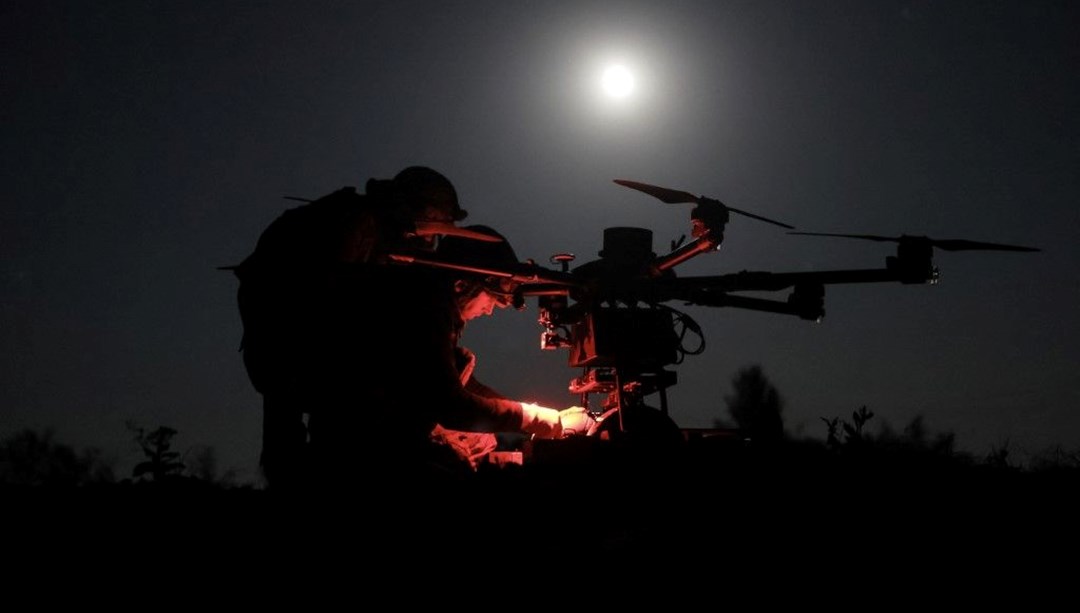
The defense ministry also reported on the execution of high-precision strikes aimed at Ukraine’s military industrial sites during the week. These targeted actions were implemented using high-precision weapons and drones. The ministry outlined that the attacks focused on:
- Military industrial facilities
- Military airfield infrastructure
- Arms and ammunition storage sites
- UAV production and storage locations
- Temporary positions occupied by Ukrainian soldiers and foreign mercenaries
These precision strikes are part of a broader strategy to degrade Ukraine’s military capabilities and disrupt their supply chains.
Drone Defense Efforts
Between May 20 and 23, the Russian Armed Forces reported an impressive counter-drone effort, claiming to have downed a total of 1,177 UAVs. Out of these, 788 were shot down in areas beyond the frontline. This statistic highlights the increasing use of unmanned aerial vehicles by both sides in the conflict and the growing need for effective air defense systems to safeguard military assets.
Significant Losses to Ukrainian Forces
The defense ministry provided a sobering accounting of the losses sustained by the Ukrainian Armed Forces since the commencement of hostilities. The report indicated that the Ukrainian military has lost:
- 662 aircraft
- 283 helicopters
- Nearly 59,000 drones
- 607 anti-aircraft missile systems
- 23,487 tanks and armored vehicles
- 1,563 multiple launch rocket systems
- More than 25,000 artillery pieces and mortars
- Approximately 35,800 special military vehicles
These figures illustrate the devastating impact of the conflict on Ukraine’s military structure and resources, raising questions about the sustainability of their current military operations.
Challenges Ahead for Ukrainian Armed Forces
As the conflict continues, the reported territorial gains and military losses point to significant challenges facing the Ukrainian Armed Forces. The capability to regain lost ground and adapt to the evolving reality of the battlefield will be paramount for their future operations. The ongoing strategies employed by both sides indicate a complex military landscape, where both offensive actions and defensive measures will play a crucial role.
Impact on Civilian Life
Beyond military implications, the ongoing conflict continues to have a profound effect on civilian populations in Ukraine. The battles and bombardments have resulted in a humanitarian crisis, prompting concerns over displacement, casualties, and the overall wellbeing of affected communities. The international community closely monitors these developments, recognizing the need for a peaceful resolution to the conflict.
International Responses and Broader Implications
Global reactions to the ongoing conflict reflect a diverse range of perspectives and interests. Some nations have expressed solidarity with Ukraine, supplying military aid and support in their defense efforts. Meanwhile, others maintain a more neutral or supportive stance towards Russia, highlighting the geopolitical implications of the conflict.
The ramifications of the war extend far beyond the immediate theater of operations. Energy security, military alliances, and economic sanctions are all influenced by the ongoing hostilities, contributing to a complex global dialogue centered around the crisis.
In summary, the recent updates from the Russian Defense Ministry outline significant military activities while simultaneously revealing the ongoing challenges faced by both forces involved. The situation remains fluid, with the potential for further escalations that could dramatically shift the current balance of power in the region.