
Recent Developments in the Russia-Ukraine Prisoner Exchange
In a significant diplomatic breakthrough, recent negotiations hosted in Turkey have led to a successful prisoner exchange between Russia and Ukraine. This milestone reflects both countries’ commitment to resolving their long-standing conflict through dialogue and cooperation.
The Details of the Agreement
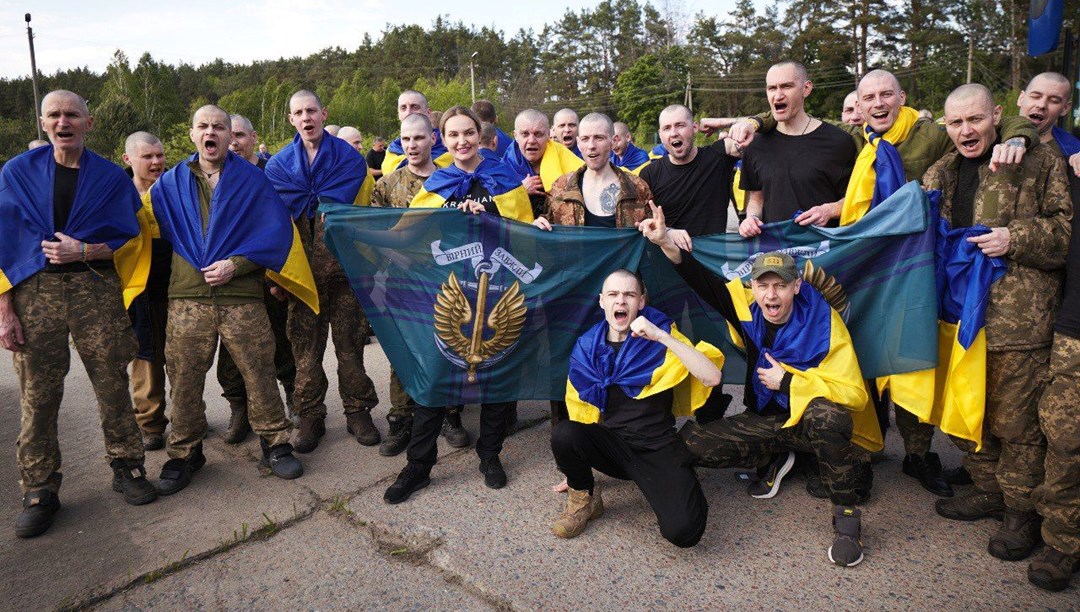
The Turkish government announced the details of this mutual agreement, highlighting that the exchange involved prisoners from both sides. According to the official statement, 270 Russian soldiers and 120 civilians were received from the Ukrainian territories under the control of the Kyiv administration. In return, 270 Ukrainian soldiers and 120 civilians were released. All individuals involved in the exchange were reported to be transferred to Belarus, where they will receive necessary medical and psychological support before being sent back to Russia.
This exchange is part of a larger process spearheaded by the Russian side, indicating a broader commitment to resolving various humanitarian issues arising from the ongoing conflict. The announcement emphasized that additional exchanges are expected to continue in the coming days, offering a glimmer of hope amid the ongoing hostilities.
Historical Context of the Conflict
The backdrop of this prisoner exchange is the longstanding conflict between Russia and Ukraine, which escalated dramatically in 2014 with the annexation of Crimea by Russia and the subsequent outbreak of armed conflict in Eastern Ukraine. Over the years, both sides have incurred significant humanitarian costs, with thousands of military personnel and civilians being captured or reported missing.
The complexity of the conflict makes every small step towards reconciliation critically important. The announcement of the prisoner exchange sheds light on the often-overlooked human dimension of war, where lives are impacted, families are separated, and communities endure trauma.
Host Nation’s Role
Turkey, often viewed as a bridge between East and West, has played a crucial role in facilitating negotiations between the two nations. The choice of Istanbul as a negotiation site, specifically the Dolmabahçe Presidential Working Office, underscores Turkey’s strategic position in international diplomacy. By acting as a mediator, Turkey enhances its reputation as a nation that seeks to foster stability and peace in an increasingly volatile region.
Expectations from Further Negotiations
The recent prisoner exchange has paved the way for further dialogue between the two countries. During the Istanbul negotiations, both sides expressed mutual interest in discussing the possibility of a ceasefire and other related humanitarian issues. Furthermore, there were discussions about direct meetings at the presidential level, thereby increasing the stakes for subsequent negotiations.
The concept of a "1000 for 1000" prisoner swap, as discussed during the talks, could serve as a pivotal mechanism to facilitate larger-scale exchanges. Both nations appear to be open to exploring these avenues as they continue to navigate the complexities of their relationship.
Reactions and Implications
Responses to this news have been mixed across different segments of society. Many view it as a hopeful sign that dialogue can lead to more substantial outcomes, while skeptics remain cautious about the sincerity of the parties involved. The world is watching closely, as future exchanges will be indicative of each side’s willingness to engage constructively.
Human rights organizations have welcomed the news, underlining the importance of ensuring that prisoners are treated humanely. They stress that subsequent negotiations must consider the broader humanitarian context, emphasizing the need for the safe return of all civilians and combatants regardless of their national affiliation.
The Impact on Ground Realities
As the fighting continues in Eastern Ukraine, the benefits of a successful prisoner exchange must be weighed against the ongoing violence and humanitarian crisis. Reports indicate that communities in conflict zones are still facing severe hardships, including displacement, lack of access to medical facilities, and limited humanitarian aid.
The prisoner exchange illustrates that while there are opportunities for diplomatic progress, the ground realities remain troubling. For reconciliation to be meaningful, both sides must make commitments to end hostilities, restore stability, and address the needs of their populations.
Future Perspectives
Looking forward, the path to sustained peace and reconciliation is fraught with challenges. Yet, the recent successful prisoner exchange serves as a reminder that dialogue, even amid conflict, is possible. It underscores the human capacity for empathy and the desire for connection despite differences.
As negotiations continue, stakeholders from various sectors, including governments, civil society, and international organizations, must remain engaged. Ensuring that the momentum generated by this exchange is sustained can potentially lead to further positive developments in the Russia-Ukraine relationship.
Turkey’s role as a mediator will also be scrutinized, as future negotiations unfold and both nations seek avenues for peace. The world will be watching, hoping that this diplomatic breakthrough marks a turning point in the pursuit of resolution amid one of the most pressing conflicts of our time.