
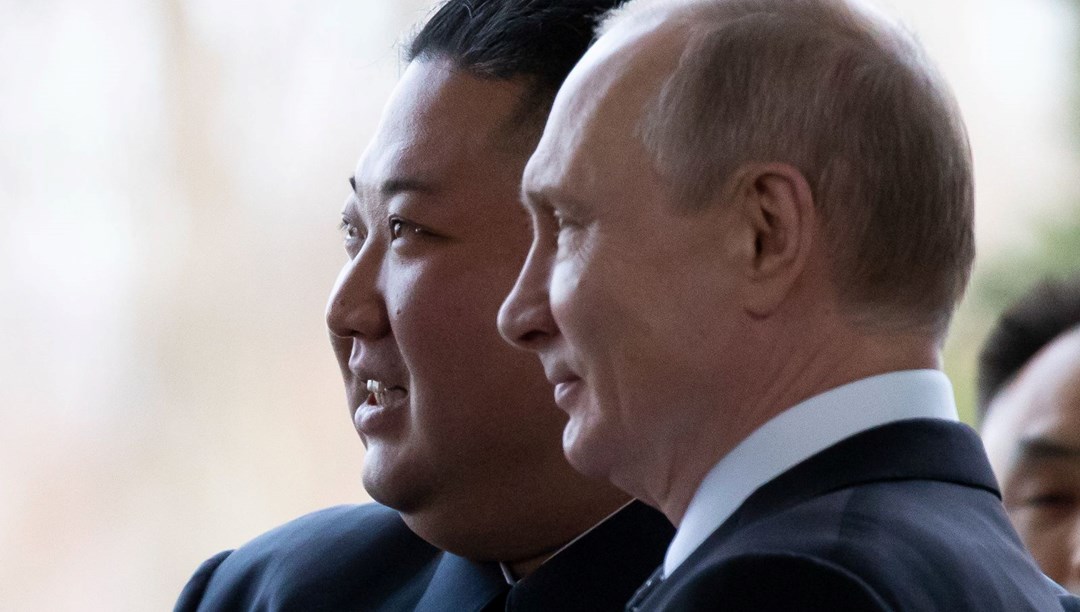
Introduction to the ICC’s Stance on Kim Jong Un
The International Criminal Court (ICC) recently made headlines by suggesting that North Korean leader Kim Jong Un could face prosecution. With the statement “The time has come,” ICC officials highlighted the seriousness of the situation regarding human rights abuses in North Korea.
The ICC’s Mandate
Established in 2002 , the ICC is tasked with prosecuting individuals for the most serious crimes : war crimes, genocide, and crimes against humanity. The court, based in The Hague , operates under the Rome Statute , which has been ratified by 125 member states . This means that countries that have signed the statute are obligated to arrest individuals for whom the ICC issues arrest warrants.
Obligation to Arrest Leaders
Among the leaders currently subject to arrest warrants are Israeli Prime Minister Benjamin Netanyahu and Russian President Vladimir Putin . This legal framework is particularly crucial as it extends even to those leaders who are accused of committing crimes while their countries were European Union members. A striking example is the case of former Philippine President Rodrigo Duterte , who was arrested last March and transferred to The Hague by his own authorities.
Implications of Military Aid from North Korea
Former ICC President Song Sang-hyun , who served from 2009 to 2015 , addressed the matter during a human rights conference in Seoul . He indicated that North Korea’s military support to Russia against Ukraine creates a scenario ripe for Kim’s referral to the ICC. The implications of this military alliance cannot be overstated; they signify a serious breach of international law and pose a challenge to global peace.
North Korea’s Involvement in the Russia-Ukraine Conflict
North Korea has reportedly started deploying troops to Russia since the end of last year, particularly in the Kursk region . These troops have been involved in support roles during Ukraine’s ongoing counteroffensives against Russian forces. Until recently, both North Korean and Russian officials have refrained from publicly acknowledging the presence of North Korean soldiers on the battlefield.
Ukraine’s Right to File Complaints
Song also emphasized that North Korea’s military actions provide legal grounds for Ukraine to bring a case before the ICC. Such a move could significantly bolster the court’s ability to take action. According to reports from Yonhap News Agency , Song suggested that “it would be ideal for Ukraine to file a complaint.” This statement underscores the potential for international legal action against figures like Kim Jong Un.
Role of the International Community
The international community has a crucial role to play in holding leaders accountable. Countries that are signatories to the Rome Statute must ensure they uphold their legal obligations . Active participation from member states can help reinforce the ICC’s authority in dealing with egregious human rights violations. Failure to act could undermine the very principles upon which the ICC was founded.
The Way Forward
Given that the ICC now recognizes the need to assess Kim Jong Un’s actions, the case for his prosecution may strengthen in the coming months. However, the path forward is fraught with complexities. Political dynamics, national interests, and the willingness of ICC member states to act will heavily influence the outcome. The court’s ability to prosecute high-profile individuals like Kim Jong Un is a test of its commitment to justice and the protection of human rights on a global scale.
Conclusion
As global awareness of the violations occurring in North Korea continues to grow, the ICC’s potential actions against Kim Jong Un represent a significant moment in international justice. The interplay between military actions and human rights violations creates a pressing need for accountability. The ICC stands as a beacon of hope for those seeking justice, but its effectiveness depends on the cooperation and resolve of the international community.