
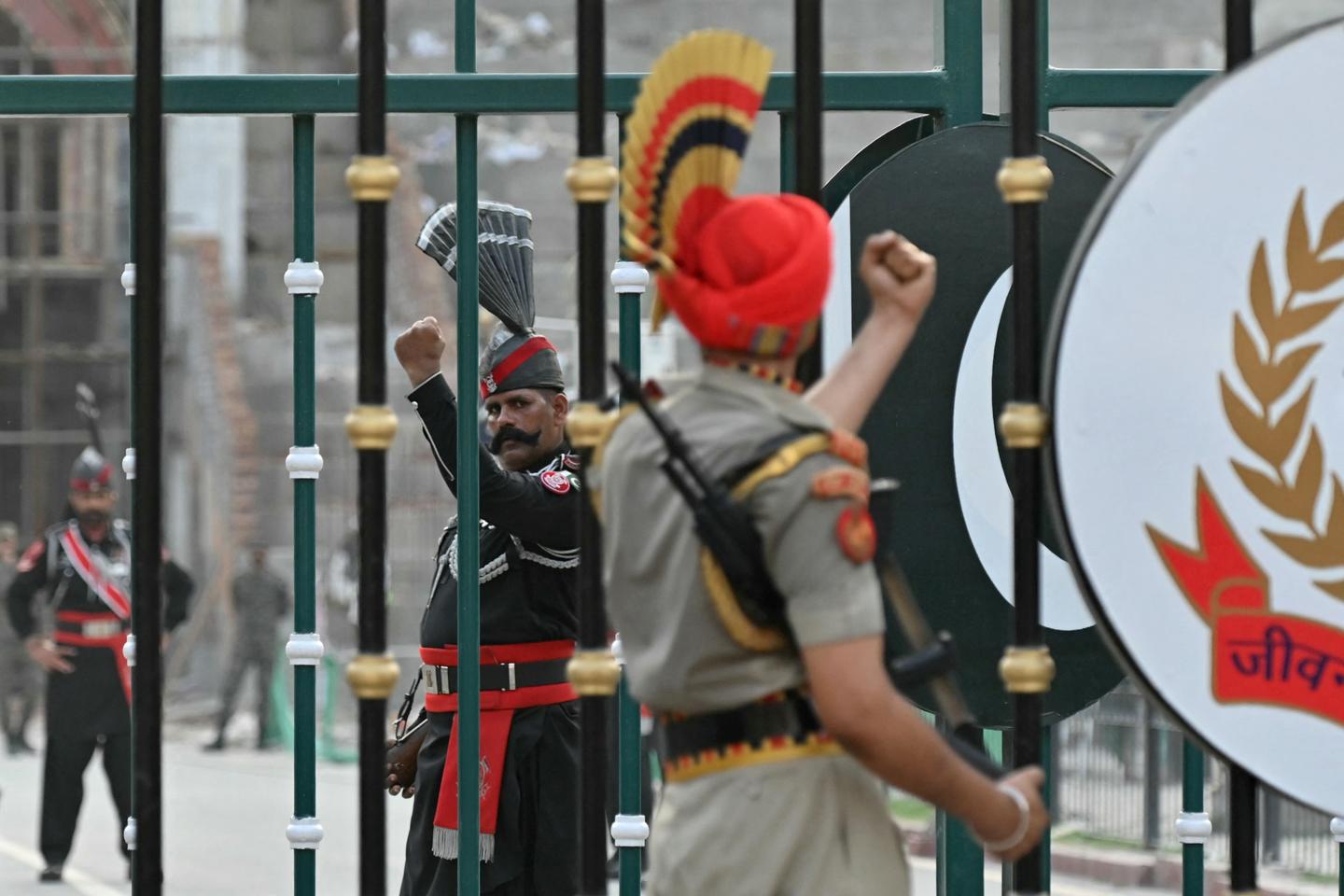
The Resurgence of Tensions: India-Pakistan Relations

The recent confrontation between India and Pakistan , culminating in a ceasefire on May 10, has once again brought the specter of nuclear war to the forefront of global concerns. Both nations, who have possessed nuclear weapons since 1998 , found themselves on the brink of escalation, highlighting the fragile nature of peace in the region. Donald Trump , the former U.S. president, announced the halt to hostilities and claimed that he had averted a nuclear conflict. This assertion resonates with historical contexts; the United States has frequently positioned itself as a mediator between these two nuclear-armed nations.
Throughout the Kargil conflict in 1999 , U.S. intelligence also speculated on the potential for nuclear engagement. This historical perspective raises the question: have either of the conflict’s players actually threatened to utilize nuclear capabilities after a mere four days of intense military engagement involving drones and missiles?
During the height of this crisis, high-ranking Pakistani military officials asserted that the nuclear option was “not on the table.” Army spokesman, General Ahmed Chaudhry , emphasized that engaging in such a devastating conflict “would be absurd.” He elaborated that the implications would be catastrophic, jeopardizing the lives of 1.6 billion people across both nations.
As tensions mounted and military actions escalated, alarming signals prompted concern among global leaders. On May 10, with both nations actively targeting strategic military installations deep within enemy territory, it became apparent that the situation could spiral into full-scale war. The delicate balance maintained over the years appeared to be faltering as both countries readied their defenses.
The Role of International Diplomacy
The involvement of international diplomacy is crucial in mitigating the dire consequences of such confrontations. The United Nations , along with other global entities, has played a significant role in addressing the escalating tensions. Historically, dialogues facilitated by international bodies have led to de-escalation and conflict resolution. However, the efficacy of these efforts remains in question when each side holds steadfast to its national interests and security concerns.
Moreover, the geopolitical landscape in South Asia is complex, often influenced by larger powers like the United States , China , and Russia . Their interests complicate the situation further, as alliances are drawn and redrawn, affecting the power dynamics between India and Pakistan.
The Nuclear Threat and Its Consequences
While both nations have publicly downplayed the likelihood of using nuclear weapons, the mere presence of these capabilities creates a precarious situation. The doctrine of mutually assured destruction (MAD) plays a pivotal role in both countries’ nuclear strategy. This doctrine asserts that the use of nuclear weapons by one nation would result in retaliatory strikes, leading to catastrophic outcomes for both parties. As such, the threshold for nuclear engagement is extraordinarily high, but miscalculations in the field can lead to unintended consequences.
Experts point to communication as a critical tool in averting nuclear disaster. Transparent channels between military leaders can potentially prevent misunderstandings, which in turn could escalate tensions into full-blown conflict. Yet, as history has shown, the fog of war complicates these communications, making military leaders often act on incomplete information.
Public Sentiment and Nationalism
Amidst these tensions, public sentiment plays a vital role in shaping government responses. In both countries, nationalism runs high, with citizens often supporting aggressive postures against perceived threats. The portrayal of the adversary in media and political rhetoric can incite public outrage, making it difficult for leaders to pursue diplomatic solutions without facing backlash. Consequently, the pressure can lead to decisions that prioritize national pride over global stability .
Ultimately, the road ahead for India and Pakistan remains fraught with challenges. The interplay between military positioning, public opinion, and international diplomacy will significantly shape the future of their relationship. Each round of escalation leaves lasting scars, and the potential for future conflicts is ever-present. Therefore, the need for dialogue, compromise, and proactive measures is more crucial than ever in ensuring peace and stability in the region.