
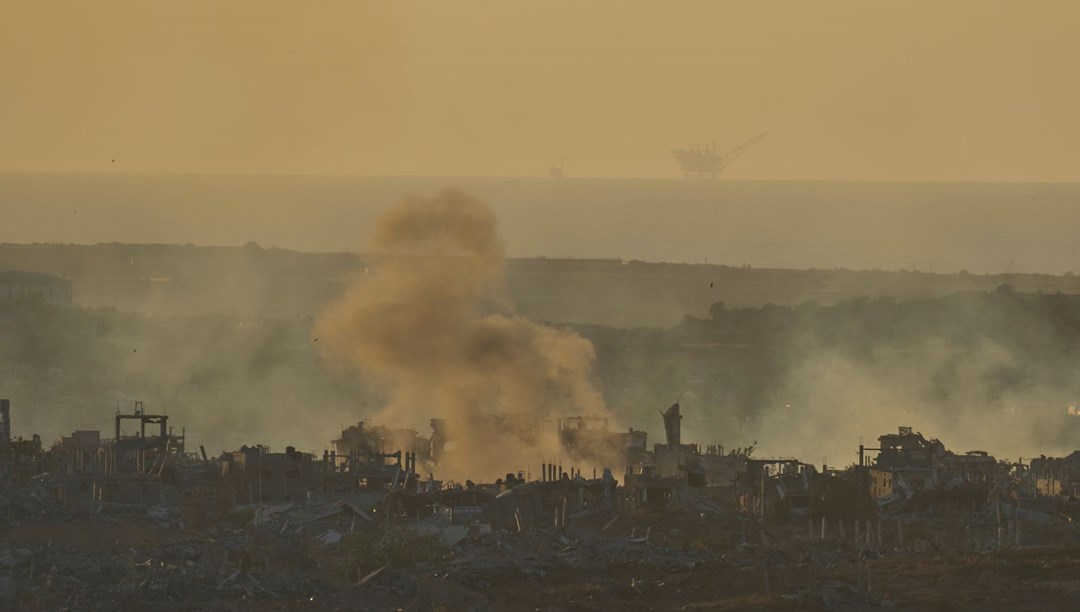
Current Situation in Gaza: A Deepening Crisis
The ongoing conflict in Gaza has reached alarming new heights as recent reports detail an escalation of violence, particularly involving significant actions by the Israeli military. The targeting of health care facilities and civilian infrastructure is raising humanitarian concerns.
Attack on Al-Awda Hospital
News has emerged that the Israeli Defense Forces (IDF) targeted the Al-Awda Hospital, situated in the northern Gaza Strip, specifically in the Tel ez-Zaatar region near the Jabalia refugee camp. The attack, which resulted in substantial damage to the hospital’s pharmaceutical storage, ignited a fire that continues to pose threats to the lives of patients and health care staff. The hospital administration has confirmed that the situation remains dire, emphasizing the challenges in combating the blaze and the imminent risks it poses to those within the facility.
This attack represents a troubling trend as the IDF seeks to extend its control over strategically significant areas. The hospital stated that the expanding fire not only endangers the wounded but also hampers the ability of emergency responders to perform their duties effectively. Tank units affiliated with the IDF have reportedly attempted to reestablish siege conditions around the hospital, further complicating rescue operations.
Casualties Rising Amid Intense Bombardment
In a devastating 24-hour period, reports indicate that 98 Palestinians lost their lives due to violent assaults carried out by the IDF across various regions in the Gaza Strip. The General Director of the Gaza Health Ministry, Munir al-Bursh, conveyed the catastrophic toll these assaults have taken, shedding light on the tragic loss of children and women among the deceased.
Eyewitness accounts further corroborate these grim statistics, detailing how the Israeli forces conducted severe bombardments on civilian residences and makeshift shelters in different districts. Rescue efforts have been complicated, with numerous people trapped under rubble, highlighting the urgent need for humanitarian assistance.
Breaking a Ceasefire: Israel’s Renewed Military Actions
Since the ceasefire initiated on January 19, hostilities had temporarily subsided, but on March 18, the Israeli military resumed its bombardments. This marked a pivotal turn in the ongoing conflict, leading to the deaths of 3,509 Palestinians, among whom many were elderly, women, and children.
Since October 7, 2023, the toll has escalated dramatically, with 53,655 fatalities recorded in Gaza, while the number of injuries has risen to 121,950. These figures depict the conflict’s dire humanitarian impact, highlighting the urgent need for an international response.
Plans for Permanent Occupation
Israeli leadership has signaled a shift towards a more aggressive military strategy in Gaza. Prime Minister Benjamin Netanyahu has made declarations regarding the complete occupation of the Gaza Strip. The stated objectives include establishing control over the region and relocating Palestinians to designated "collection camps" in the south of Gaza.
This military strategy raises pressing humanitarian questions. The proposed framework indicates that individuals in the camps might receive only minimal supplies necessary for survival. Such intentions underscore the broader implications of the Israeli government’s plans, which seem poised to instigate a systematic erasure of Palestinian communities.
Reaction from the Global Community
The intensification of hostilities and the humanitarian ramifications have attracted international denunciations. Human rights organizations and foreign governments have voiced their concerns regarding the potential violations of international law that underscore Israel’s military operations. The targeting of healthcare facilities raises specific legal questions, as hospitals are meant to be protected zones under wartime conditions.
Moreover, activists around the world have rallied for immediate humanitarian interventions and a ceasefire, stressing the necessity of protecting vulnerable civilian populations in conflict zones.
Seeking Solutions Amidst Chaos
Despite the grim realities on the ground, discussions about potential solutions to the conflict persist. Many believe that a renewed call for a lasting peace agreement could serve as a pathway out of the cycle of violence that has plagued the region for decades. The importance of diplomatic engagement, humanitarian aid, and addressing the root causes of the conflict cannot be overstated.
Urgency of Humanitarian Assistance
As the situation deteriorates, the need for immediate humanitarian assistance in the form of medical supplies, food, and shelter becomes increasingly critical. Organizations operating in the region report immense challenges in delivering aid due to ongoing hostilities and blockades.
Conclusion
The circumstances unfolding in Gaza encapsulate a complex and dire humanitarian crisis. The continuous barrage of attacks, particularly on health institutions, signifies a concerning escalation that requires immediate attention from the international community. As civilians bear the brunt of this violence, it is crucial that calls for peace and accountability are amplified, opening pathways for dialogue and long-term solutions to the intractable issues at play.