
The Iran Nuclear Negotiations: Current Developments
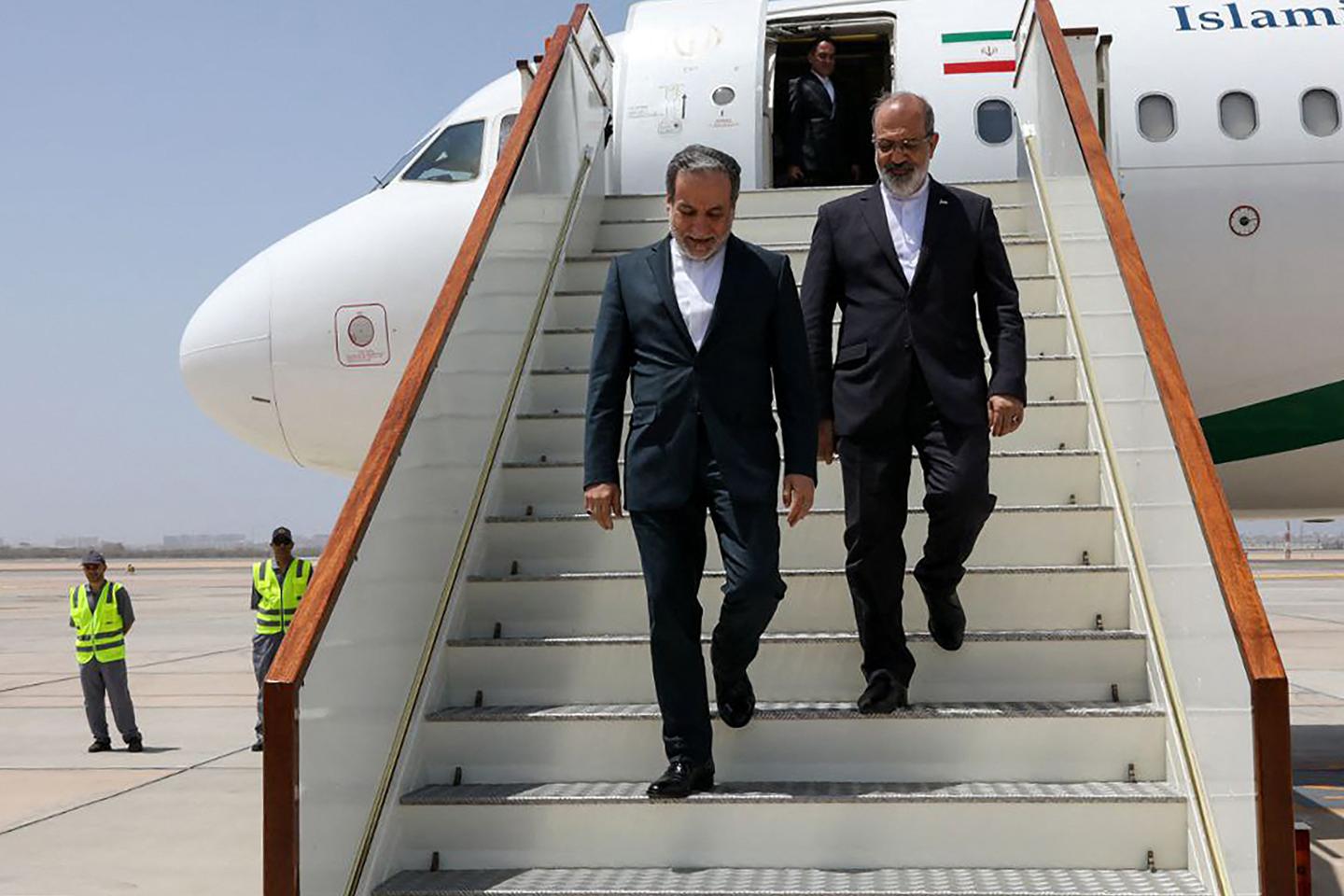
After a two-week pause, official negotiations concerning the nuclear file between Iran and the United States are set to resume on Friday, May 23 , in Rome , facilitated by the Sultanate of Oman . Traditionally, such meetings are preceded by moments of tension. This time, it was Iranian Minister of Foreign Affairs Abbas Araghchi who, on Thursday, May 22 , cautioned against a potential Israeli attack on nuclear sites if negotiations either compromise or fail. Araghchi warned that the American government could be seen as “part of these operations and legally responsible,” as he expressed in a letter to United Nations Secretary General Antonio Guterres .
A Glimpse into Recent Developments
In spite of escalating tensions, negotiations seem to have gained momentum in recent weeks. During his visit from May 13 to 16 , US President Donald Trump made multiple statements hinting at the possibility of an agreement. He remarked that the Iranians “have a proposal ” as he addressed journalists aboard Air Force One while departing from Abu Dhabi to return to Washington on May 16 . He added, “They know they need to act quickly, otherwise something serious will happen.” This assertion indicates an urgent atmosphere surrounding the discussions.
The Role of Iran in Regional Dynamics
Iran’s position in the Middle East has been a cause for concern among nations, particularly given its influence in several regional conflicts. Many analysts believe that the nuclear negotiations are a pivotal factor in regional security . The intertwining of regional politics with the nuclear file complicates the landscape, as various countries are poised to respond depending on the outcome of these discussions.
Potential Aftermath of Negotiations
Should an agreement be reached, it could mark a vital turning point not just for Iran , but for relations between the US and its allies in the region. Conversely, a failure might lead to heightened tensions, with possible military actions from Israel being a significant concern, as emphasized by Araghchi . The implications of these negotiations will likely extend beyond the immediate political landscape, influencing global markets, security strategies, and diplomatic relations.
Domestic Reactions to the Talks
Meanwhile, within Iran , public sentiment regarding the nuclear negotiations is mixed. Some citizens express optimism about a potential agreement that could alleviate economic sanctions, while others remain skeptical about the intentions of the US government. Political factions within the country also hold diverging views, with some advocating for a more aggressive stance and others pushing for diplomatic engagement. The varying attitudes highlight the complexities and challenges that Iranian leaders face as they navigate the negotiations.
The International Community’s Interests
The international community is closely watching the negotiation developments, as the outcome may redefine not only Iran’s standing in the world but also the broader geopolitical dynamics. Allies of the US , including Europe , are invested in finding a resolution that maintains regional stability while also addressing concerns over nuclear proliferation. The ongoing nuclear talks with Iran are symptomatic of larger questions around diplomacy, security, and international cooperation in an increasingly volatile world.
Looking Ahead
As negotiations resume on May 23 , all eyes will be on the outcome and the next steps for Iran and the United States . The stakes are high, and any miscalculation could have repercussions far beyond the immediate parties involved. Continuous dialogue and diplomacy will be essential in working towards a resolution that ensures not only the non-proliferation of nuclear weapons but also a path to lasting peace in the region.