
Israeli Prime Minister Benyamin Netanyahu made headlines on the evening of May 22 by announcing the appointment of Division General David Zini as the new head of the internal security agency, Shin Bet . This decision has sparked controversy as it seemingly defies a cautionary recommendation from the General Prosecutor of the State.
General Prosecutor Gali Baharav-Miara issued a statement asserting that there are serious suspicions regarding factors that led to Netanyahu’s decision, suggesting it involves a conflict of interest . She revealed plans to challenge this appointment in the Supreme Court , raising significant concerns about the legality of the appointment process.
Opposition Calls for Refusal
In response to the announcement, the leader of the Israeli opposition, Yaïr Lapid , publicly urged General Zini to decline the Shin Bet position. He emphasized on social media that Netanyahu’s situation is marked by a critical conflict of interest, implying that accepting the role could undermine Zini’s integrity. Lapid’s party, Yesh Atid , expressed hope that Zini would announce his decision to reject the appointment until the Supreme Court provides clarity on the matter.
The Prime Minister’s office praised General Zini’s extensive experience within the Israeli defense forces, noting that he has held various operational and command posts . He is particularly recognized for his exemplary service in Sayret Matkal , an elite unit, and for founding a unique Commando brigade —underlining his profound expertise in security matters.
Zini’s background is particularly compelling, as he is the son of French emigrants and the grandson of an Auschwitz survivor. Currently leading the training command within the Israeli military, Zini has made headlines for compiling a detailed report in March 2023 that exposed the deficiencies of the Israeli army in handling a surprise attack from Gaza.
Legal Ramifications
The legal implications surrounding Netanyahu’s decision are considerable. On the evening prior to the announcement, Prosecutor Baharav-Miara had issued a prohibition against the Prime Minister appointing a successor to the outgoing Shin Bet chief, Ronen Bar. This action was justified based on the Prime Minister’s perceived conflict of interest , referencing a verdict from the Supreme Court , which deemed the March decision to dismiss Bar as “contrary to the law.”
Despite this legal pushback, Netanyahu remains steadfast, asserting that his government retains the authority to appoint or reappoint the chief of Shin Bet. He criticized the outgoing chief, claiming that Bar failed to prevent the devastating Hamas attack that led to the outbreak of war in Gaza on October 7, 2023.
NGOs Challenge the Appointment
In the wake of Netanyahu’s contentious announcement, an NGO focused on promoting political transparency in Israel has expressed its intention to contest the appointment before the Supreme Court. The organization characterized this situation as a pivotal test for the rule of law in Israel . Their spokesperson stated, “We will not stand idly by in the face of this defiant action,” outlining plans to file an appeal against what they term an invalid appointment .
This ongoing saga raises vital questions regarding the interplay between political power and judicial oversight in Israel. As Netanyahu’s administration faces mounting scrutiny, the resolution of this conflict could have lasting implications not only for his government but for the integrity of the Israeli political system overall.
Public and Political Repercussions
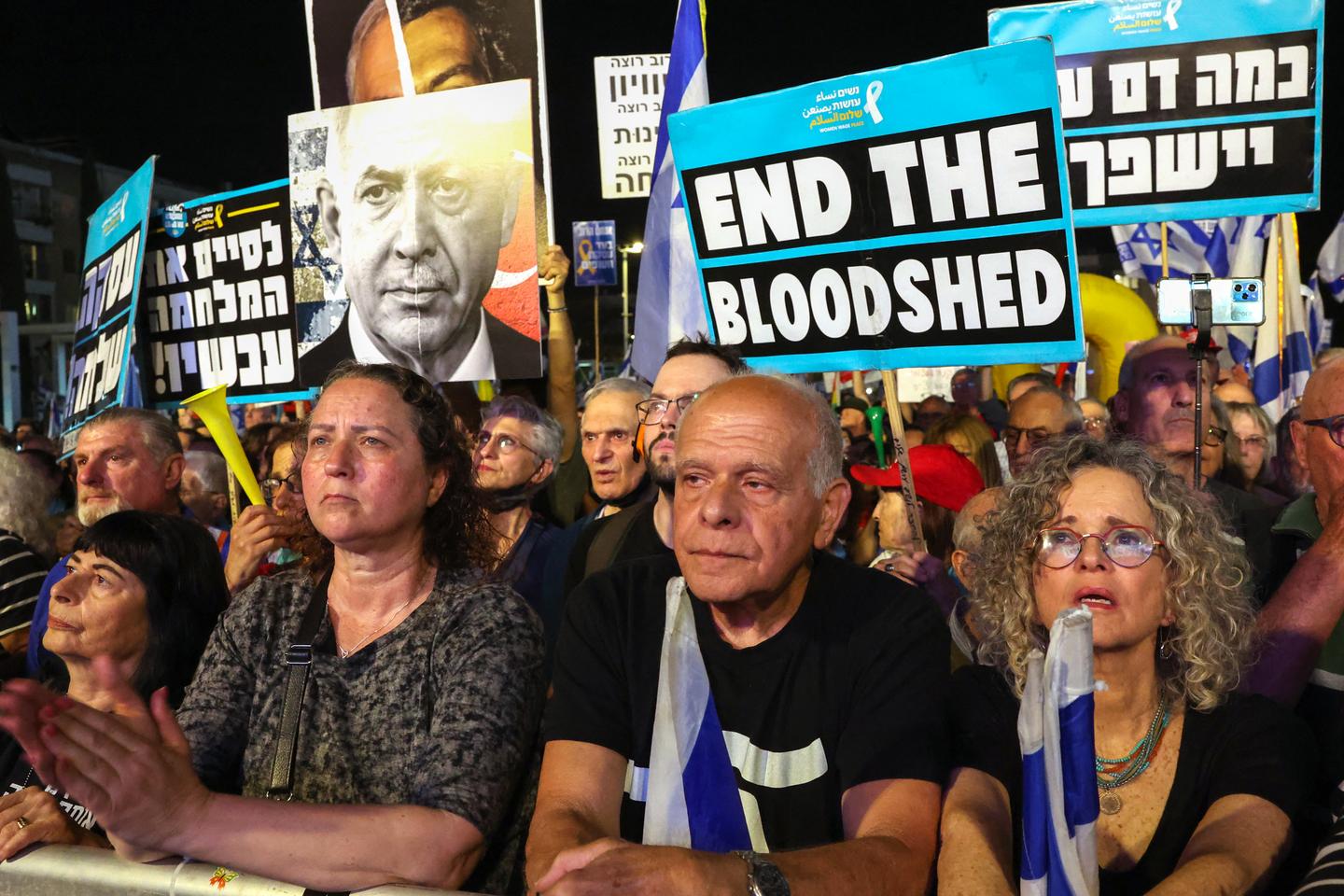
The public reaction to Netanyahu’s decision has been swift and intense, with critics warning that such actions could pave the way for autocratic governance . The political landscape in Israel is increasingly volatile, with divisions growing clearer amid the heightened scrutiny of Netanyahu’s government operations and appointments.
The challenges posed to the Israeli Prime Minister are emblematic of a larger struggle between political leaders and institutions dedicated to upholding democratic principles. As Israel navigates this crisis, the focus will likely remain on the crucial balance between executive power and judicial accountability, raising pivotal questions about the future of governance in the region.