

Congressmen Fight for Crypto Clarity
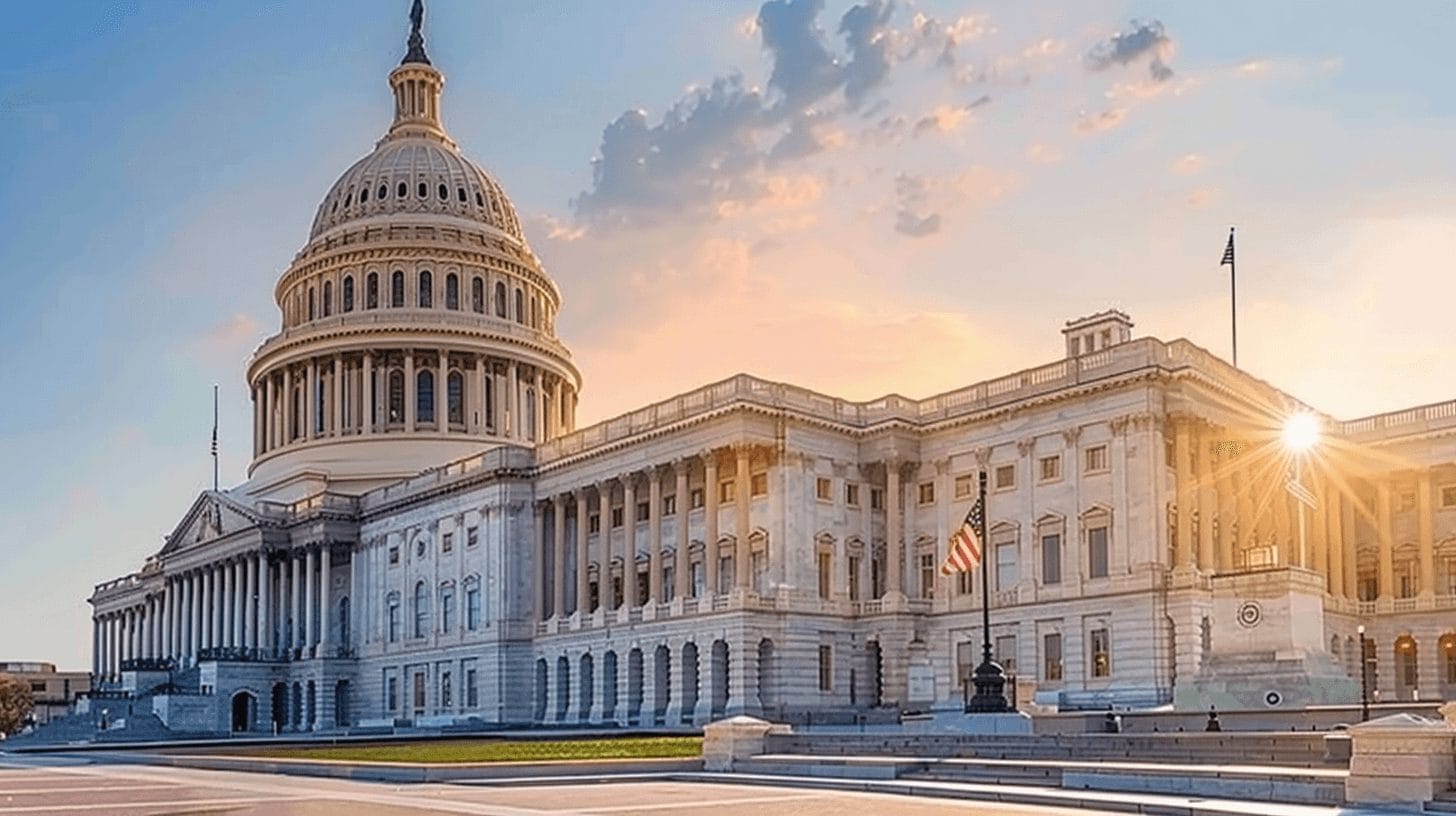
In a significant move to shape the regulatory framework surrounding digital assets, Congressman Tom Emmer (R-IN) and Representative Ritchie Torres (NY-15) have reintroduced the Blockchain Regulatory Certainty Act (BRCA). The initiative aims to delineate the classification of crypto service providers, ensuring they do not fall under the blanket definition of money transmitters.
According to a recent press release dated May 22, this proposed legislation seeks to bring clarity to the current regulatory landscape by explicitly stating that non-custody digital asset providers will not be classified as money transmitters. This change is crucial for wallet providers, miners, and validators, as it protects these essential players in the crypto ecosystem from unnecessary regulation that could hinder innovation and growth.
Emmer, who first introduced the BRCA back in 2018, argues that this legislation provides the necessary regulatory clarity without sacrificing essential government oversight. “If you don’t custody consumer funds, you aren’t a money transmitter. Plain and simple,” he emphasized. He further cautioned that delaying this commonsense clarity could prompt innovations to relocate overseas, ultimately jeopardizing opportunities for American investors and creators.
Torres echoed these sentiments, stressing that the BRCA represents a thoughtful, bipartisan initiative aimed at getting digital asset policy right. “The United States should be the global home for responsible innovation, not a place where developers are punished for building open-source software or experimenting with new technologies,” he stated, underlining the importance of fostering a supportive environment for digital innovation.
Crypto Policy Leaders Push for Progress
Support for the BRCA is not limited to Emmer and Torres; several prominent figures in the crypto policy arena have voiced their support, including Blockchain Association Interim CEO Sarah Milby and Crypto Council for Innovation President Ji Hun Kim. Their involvement highlights the urgency and necessity of regulatory clarity in the crypto sector.
Cody Carbone, CEO of the Digital Chamber, remarked, “Blockchain developers, miners, and validators aren’t financial institutions—they’re builders.” He highlighted that the bipartisan nature of the BRCA is crucial for enabling these innovators to thrive in the U.S. by removing the need for bank-style licenses for those who do not handle customer assets.
Carbone’s comments underscore a growing consensus in the industry that the current regulatory framework may stifle innovation. “We urge swift passage and commend Majority Whip Emmer and Representative Ritchie Torres for championing this effort,” he added. His call to action is indicative of the broader crypto community that is eager for legislative clarity, urging Congress to act on the BRCA without further delay.
The introduction of the Blockchain Regulatory Certainty Act marks a pivotal moment in the crypto legislative landscape. It serves as a vehicle through which lawmakers aim to clarify existing regulations and define the role of digital asset service providers within the broader financial ecosystem. As the crypto industry evolves, the implications of regulatory clarity could foster an environment ripe for innovation and entrepreneurship.
A key aspect of the BRCA is its potential to empower existing providers in the crypto space. By ensuring that entities involved in the development and provision of digital asset services are not unduly classified as money transmitters, the legislation opens possibilities for growth and advancement. This is particularly important as the demand for innovative digital solutions increases, and as the public’s interest in cryptocurrencies and blockchain technology continues to escalate.
The Future of Crypto Regulation
As the legislative landscape continues to evolve, the impact of the Blockchain Regulatory Certainty Act could stretch far beyond immediate regulatory clarity. It reflects a shift in understanding among lawmakers regarding the nature of digital assets and their role in the future of finance. The initiative is part of a larger trend towards recognizing the potential benefits that blockchain technology can offer, not just in financial services but across various sectors.
Industry leaders remain optimistic about the implications of this legislation. If passed, it could serve as a model for future legislative efforts aimed at developing a comprehensive and coherent framework for digital assets in the United States. This would allow for innovation to flourish domestically, as opposed to being driven offshore due to unfavorable regulatory conditions.
In conclusion, the ongoing discussions around the BRCA represent a crucial junction in the regulation of cryptocurrencies and related technologies. As cryptocurrencies gain mainstream acceptance, it becomes increasingly vital for regulatory bodies to adapt to the changing landscape. Through bipartisan efforts, the remote prospect of a well-structured regulatory framework could pave the way for a more robust crypto ecosystem in the United States. It will ultimately determine how the nation positions itself in the global economy centered around innovation and technology.