
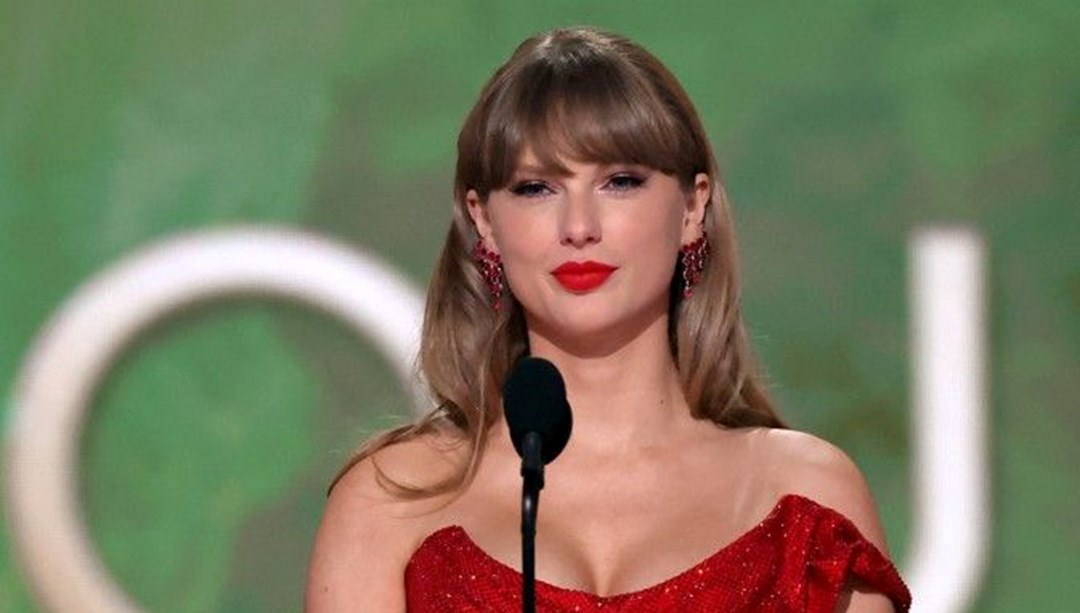
The Saga of Taylor Swift’s Ownership Battles
In the music industry, ownership of master recordings is paramount, and few artists have faced the complexities surrounding it more publicly than Taylor Swift. Recently, Shamrock Capital acquired the original masters of Swift’s albums, including her iconic albums Fearless, Speak Now, Red, 1989, and Reputation. This acquisition means that whenever these albums are streamed, downloaded, or sold physically, the profits flow directly to Shamrock, not Swift.
Taylor’s Strategic Move: The Re-Recordings
In response to the ownership battle, Swift has taken a bold and strategic approach by re-recording her earlier works under the banner of Taylor’s Version. This move not only allows her to reclaim her artistic integrity but also ensures that she receives royalties from these new versions of her songs. Swift’s re-recorded albums not only preserve her musical legacy but also generate significant revenue for her. By promoting these new versions, she is effectively telling her narrative and taking control of her career.
The Financial Implications
The Cost of Reacquiring Masters
Industry experts estimate that reacquiring the rights to her old recordings could cost Swift anywhere between $600 million to $1 billion. This staggering figure highlights the enormous financial stakes involved in the music industry, especially for artists like Swift who have built monumental careers. However, with her estimated net worth hovering around $1.6 billion, Swift is in a position where such a purchase is not only feasible but also strategically advantageous.
Revenue Streams
The financial dynamics of mastering rights are complicated. Every time someone streams or downloads Swift’s older albums, Shamrock Capital collects the royalties. In contrast, Taylor re-recording her music means that any revenue from these new versions directly benefits her. This shift emphasizes the importance of owning one’s intellectual property— a lesson that resonates with many artists striving for artistic and financial independence.
The Importance of Artistic Control
Empowering Artists
Taylor Swift’s battle is a crucial discussion point in the broader conversation about artist rights in the music industry. Many artists find themselves at a disadvantage when record labels retain ownership of their music. Swift’s decision to re-record her songs empowers her and sets a precedent for others in the industry. She is not only reclaiming her artistic freedom but also inspiring other musicians to think critically about ownership and royalties.
Consumer Awareness
Swift’s situation has increased consumer awareness regarding ownership in the music industry. Fans are becoming more engaged in the conversation about where their money goes when they stream music. Many are now choosing to support her re-recorded versions over the originals as a means of standing with her in her quest for ownership and representation.
The Artist’s Personal Touch
From Fearless to Reputation
Taylor Swift’s music has always been more than just a sound; it is a personal diary that resonates with millions. Each album, from Fearless to Reputation, chronicles her evolution as an artist and a person. Through her journey, she has explored themes of love, loss, identity, and empowerment. Swift’s decision to reclaim these stories through re-recorded versions adds a layer of authenticity and personal connection that fans appreciate.
Fan Engagement
Swift’s re-recording project has heightened engagement with her fan base. Social media platforms have been flooded with discussions, remixes, and tributes to her original works, validating her ongoing influence in pop culture. This dialogue ensures continuous interest in her re-recorded albums, translating to higher sales and streams—benefiting Swift financially and artistically.
Navigating the Future of Music Ownership
Industry Changes
The case of Taylor Swift is shaking the very foundations of the music industry. Many are beginning to question the traditional model of record label ownership. As more artists witness Swift’s triumphs and challenges, there may be a shift towards independent releases and ownership, fostering a new era where artists have more control over their music.
New Opportunities
Shamrock Capital’s investment reflects a growing trend where investors are keen to acquire music rights, recognizing their long-term value. This acquisition may lead to increased opportunities for artists to negotiate their contracts, ensuring that they retain a greater stake in their creations.
Conclusion
The battle for music ownership between artists and production companies is complex and multifaceted, often veering into personal narratives of empowerment and reclaiming agency. Taylor Swift’s journey is not merely a legal battle but a movement advocating for artists everywhere. By taking control of her music, she has not only elevated her brand but also opened a dialogue about ownership in the industry, forever changing the landscape for future musicians.
As the music industry evolves, one thing remains clear: Taylor Swift’s influence as an artist and advocate for ownership will resonate for years to come. Through her actions, she continues to illuminate the path toward artistic integrity and financial empowerment for artists globally.