
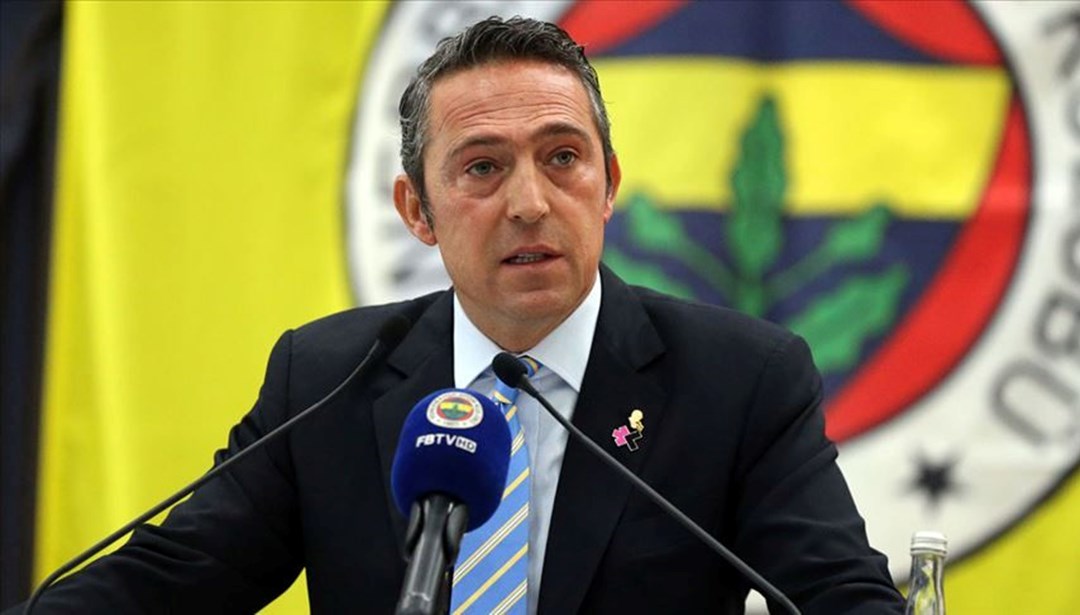
Fenerbahçe’s Leadership Turmoil: A Call for Change
The recent events surrounding Fenerbahçe have unearthed sentiments of discontent among the fans, as the supporters have called for the resignation of their president, Ali Koç. With the mounting pressure from the stands, the idea of convening an extraordinary election congress has started to gain traction within the club’s circle.
Upcoming Financial General Assembly: The Shift to an Election Congress
The financial general assembly set for September is likely to transition into a more critical election congress. This shift reflects the need for decisiveness in addressing the ongoing challenges the club is facing. The management’s recent actions hint at the potential for significant changes to come, with a formal announcement anticipated shortly.
Ali Koç’s Previous Stance on Resignation
In the past, Ali Koç publicly stated his unwavering decision not to resign and indicated that he would not pursue calling for a congress. However, the growing discontent among the fans raised questions about his future at the club. Koç mentioned that should sufficient signatures be gathered, he would consider stepping down, which revealed the uncertainty surrounding his leadership.
Looking Ahead: Commitment to José Mourinho
Despite the controversies and calls for his resignation, President Koç has assured the fans that the club will continue working with head coach José Mourinho. This commitment signifies a strategy to maintain stability within the team during turbulent times. Whether this decision will placate the frustrated fan base remains to be seen.
Emerging Candidates for Leadership
The situation becomes even more interesting with the announcement from former club executives Hakan Bilal Kutlualp and Mahmut Uslu declaring their intentions to run for presidency. Their emergence as candidates illustrates the potential for a significant shift in Fenerbahçe’s management structure as the club heads into possible elections.
Mahmut Uslu’s Critique of Ali Koç
Among the new candidates, Mahmut Uslu, who held various roles during Aziz Yıldırım‘s presidency, has openly criticized Koç. Uslu, who was also part of the management during the last election cycle, has made a heartfelt appeal for Koç to resign. He emphasized, “I want to offer one last brotherly counsel to Ali Koç. Exit yourself and grow. Build a good team, learn while you work, and be patient. They will send you off with a signature. Don’t do it that way. Step down. If you want, ask for a vote of confidence. If you are elected and receive the confidence, then it’s fine, but leaving with signatures is not the solution.” Uslu’s candid words are resonating with many within the fan base.
The Fan Response: A Direction for the Future
The ongoing dissatisfaction among fans is not merely an emotional outburst but rather a reflection of their deep-seated desire for Fenerbahçe to reclaim its status in Turkish football. The pressure from the stands is likely to continue building, focusing attention on the critical decisions that lie ahead for both Koç and the club. As fan expectations ramp up, leadership at Fenerbahçe faces a profound test in aligning their strategies with the sentiments of their supporters.
The Role of Fan Influence in Club Decisions
With the increasing call for change directly from the stands, it’s clear that fan opinions wield significant influence over club decisions. As the lifeblood of Fenerbahçe, their voice is not easily ignored. Management will need to take into consideration the fans’ perspective while aligning their vision with the broader objectives of the club to resolve its current predicament.
Strategic Recommendations Moving Forward
To effectively navigate through this turbulent phase, Ali Koç and his team may benefit from several strategic changes. Firstly, engaging in an open dialogue with fans could soften the hostility and build trust. Regular updates and transparency regarding club operations might help in restoring faith among supporters. Additionally, reevaluating management structures and responsibilities could enhance accountability within the club.
Conclusion
As Fenerbahçe stands at a crossroads, the future is uncertain yet charged with potential. With calls for leadership changes and the upcoming financial general assembly, the club may be on the brink of a significant transition. The involvement of former executives as presidential candidates adds another layer to this unfolding narrative. The next steps taken by the management will determine not only its immediate future but also its long-term aspirations in Turkish football.