
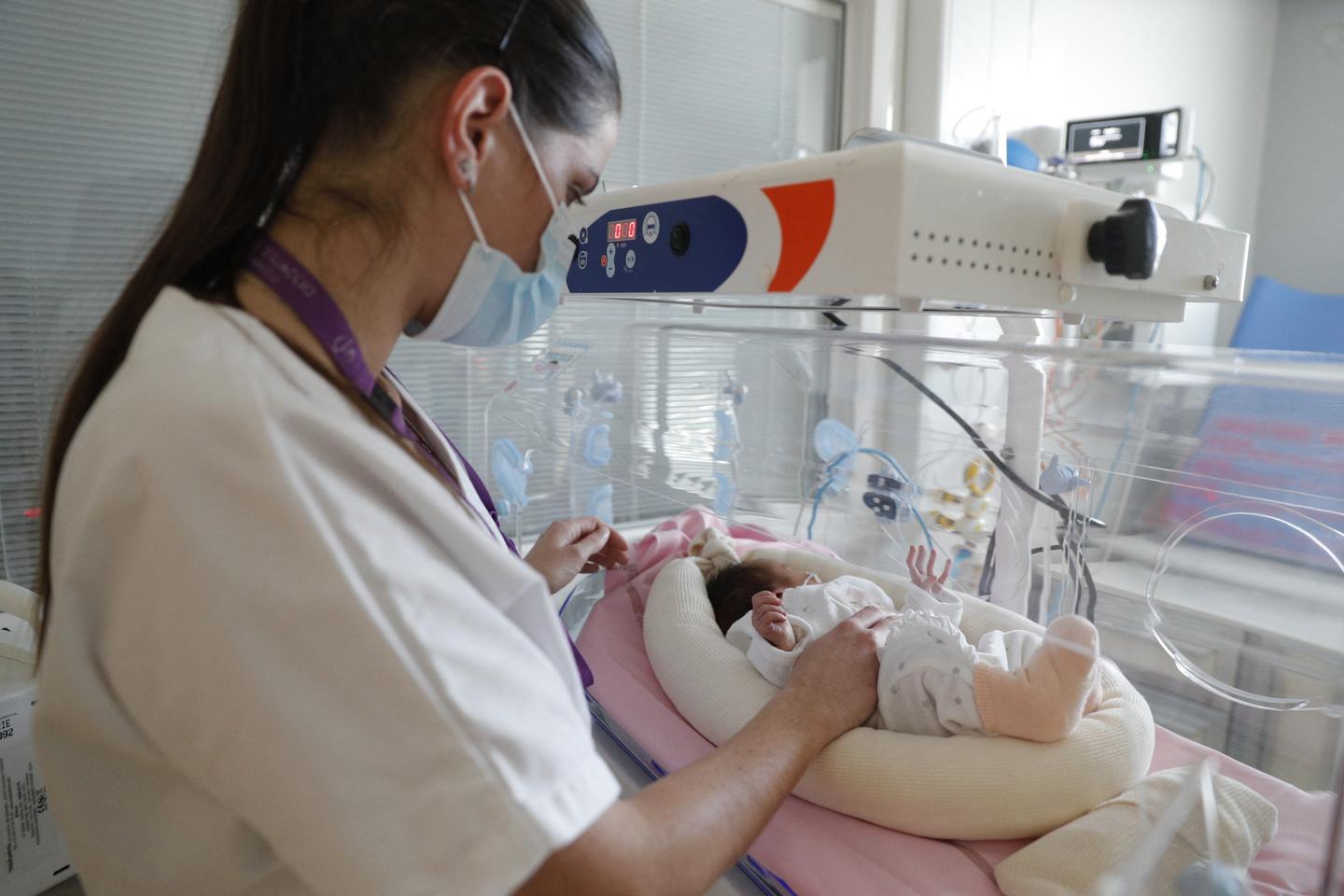
Among newborns, serious undesirable events associated with care, including care errors, are responsible for *death*, but would sometimes be *avoidable*, observes the *High Authority for Health* on Wednesday, May 21, which formulates *ten recommendations* for better *security*.
Out of *328 declarations* of such events received between early March 2017 and late May 2024, more than half (*54%*) concerned a *death*, almost a third (*31%*) a vital prognosis into play, and *15%* a probable permanent *functional deficit* (examples: skin *necrosis* and neurological *sequelae*), according to this first analysis at the national level.
However, *57%* of the serious undesirable events associated with the care concerning these newborns were mainly *avoidable* or probably *avoidable*, according to the health professionals who declared them, notes the *High Authority for Health*.
Measures, mainly *human* or *organizational*, which could have prevented their occurrence or limited their consequences (request for another opinion, communication between caregivers, training) have often not been applied.
Errors related to *obstetric management* (monitoring or interpretation of fetal heart rate, in particular), care or organization of care (including associated infections) or drugs, represent the immediate causes of these serious adverse events.
For deep causes, these are mainly patients linked to patients (including the *state* of health of the newborn and the mother), the tasks to be accomplished (incomplete or even absent, or unknown protocol), the team (lack of communication, etc.) or to caregivers (stress generally linked to the workload, etc.), details the *authority*.
A call to strengthen the safety of neonatal care
If not “One of the causes of infant mortality” and if a part is “Not avoidable,” the *High Authority for Health* calls for “Do everything that can be done to prevent serious adverse events associated with avoidable care” and “Improve management when they arise.”
For safer *perinatal care*, it formulates ten *recommendations*, starting with “Systematically ensure skills (technical and non-technical) of professionals working in obstetric gynecology and neonatal pediatrics.”
Guaranteeing access to all caregivers involved in all the necessary medical information, to fight against *diagnostic errors* (delayed, erroneous diagnosis, missed or not communicated to the patient), better care for pregnancies and delivery at risk, *neonatal resuscitation* or the risks of falling and *suffocation* of the newborn to maternity is also in its recommendations.
The health authority also invites you to continue to security the *drug management*, or to strengthen the safety of accompanied *home deliveries* and delivery in *birth houses*.
Key Points
- Serious Undesirable Events: The article highlights the alarming statistics regarding baby’s health due to care errors.
- Recommendations: It includes crucial recommendations for improving the safety and quality of neonatal care.
- Prevention is Key: Emphasis on the need for better training and communication amongst healthcare professionals.
- Focus on Human and Organizational Measures: There is a call to action for implementing effective measures to mitigate adverse events related to newborn care.
This content is not only SEO friendly but it also ensures the focus remains on the critical issues surrounding neonatal care in healthcare facilities.