
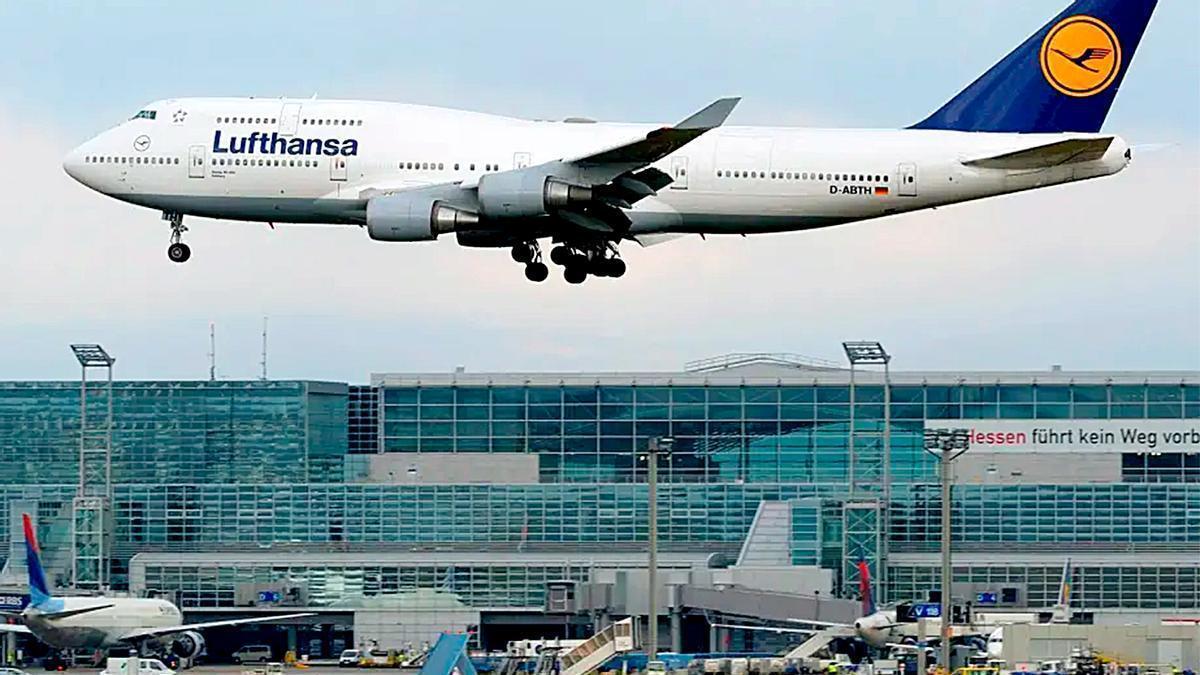
Unmanned Flight to Sevilla: A Nightmare Scenario
On February 17, 2024, Lufthansa faced a grave incident during a flight from Frankfurt to Sevilla. An Airbus A321 embarked with 205 individuals on board—199 passengers and 6 crew members. As the aircraft traversed the Iberian Peninsula, a sudden and severe incapacitation of the co-pilot led to a moment of panic. At that critical moment, crucially, the captain was momentarily absent from the cockpit, having left to use the front lavatory.
Emergency Situation Unfolds
Approximately ten minutes into the flight, the captain returned to find the co-pilot incapacitated. Understanding the urgency, he took swift action and diverted the aircraft to Adolfo Suárez Madrid-Barajas Airport. Fortunately, the landing proceeded without any further complications, and the co-pilot received immediate medical attention after landing. Initial investigations revealed that the co-pilot’s incapacitation stemmed from symptoms of an undiagnosed medical condition that had not previously been detected.
The Tension of Accessing the Cockpit
Prior to the incident, the captain and co-pilot engaged in a discussion about the aircraft’s operational performance and weather conditions. The captain noted the co-pilot appeared alert and fit at that time. Upon returning from his brief absence, the captain attempted to enter the cockpit using standard entry procedures but failed to unlock the door. He assumed there might have been an issue with the entry code or the co-pilot could have been preoccupied with flight tasks.
After three additional attempts to retrieve access, a cabin crew member made an intercom call to the cockpit. When there was still no response, the captain resorted to using the emergency access code, which added another layer of urgency to the situation. Just before the emergency code timer ran out, the co-pilot managed to manually unlock the cockpit door from the inside. However, he was found to be pale, sweating, and exhibiting unusual movements, prompting the captain to call for assistance from cabin crew.
Medical Attention and Difficult Decisions
Medical support for the co-pilot came from both the cabin crew and a passenger who identified themselves as a doctor. After an initial examination, the doctor suspected a possible cardiac event. Understanding the gravity of the situation, the captain opted to reroute the flight to the nearest suitable airport, resulting in a landing about 20 minutes later in Madrid. Remarkably, the passengers remained unaware of the unfolding crisis until the incident report was released.
Recommendations to Prevent Future Incidents
The Civil Aviation Accident and Incident Investigation Commission highlighted significant safety implications following this incident. The investigation suggested that having another authorized individual—typically a member of the cabin crew—in the cockpit when one pilot steps out could significantly enhance flight safety. This precaution could lead to faster detection of any pilot incapacitation and would facilitate quicker access for the other pilot to regain control of the aircraft.
The commission pointed out that such a system allows for a more robust response to medical emergencies onboard, suggesting that operators should reevaluate the operational risks associated with having a single pilot in the cockpit. It was noted that the presence of another individual could have urgently alerted the remaining crew to the co-pilot’s incapacitation, streamlining the emergency response process.
Research and safety discussions are ongoing in light of this incident, specifically aimed at improving cockpit safety protocols and ensuring comprehensive pilot health screenings. By suggesting that the European Union Aviation Safety Agency (EASA) take this recommendation into account, the commission aims to foster an environment of heightened security and protection for both crew and passengers across the aviation industry.
Final Thoughts
This incident underscores the critical nature of rigorous safety measures in aviation. As procedures and regulations are discussed and potentially updated, it remains paramount that airlines prioritize the health and safety of all onboard. The welfare of pilots, crews, and passengers alike should be the supreme focus of all operational protocols, ensuring that unprecedented events like these are managed effectively and efficiently. The collective observations and recommendations stemming from such incidents aim to create a safer flying experience for everyone.