
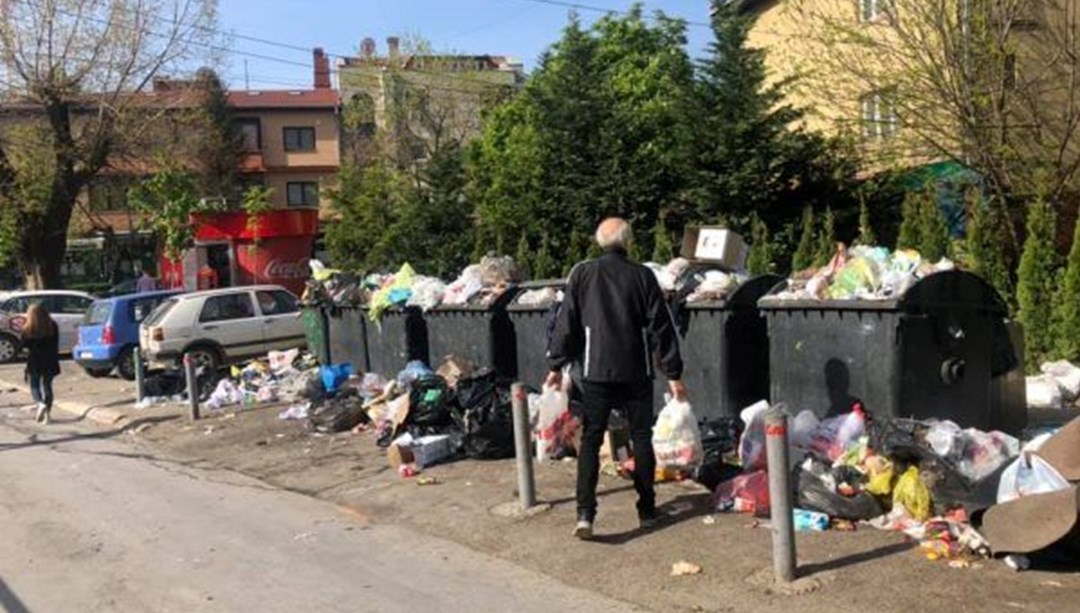
Challenges of Waste Management in Pristina: A Growing Crisis
The issue of waste management in **Pristina**, Kosovo, has reached critical proportions as employees of **Pastrimi**, the regional public company responsible for waste collection, recently went on strike. This strike was initiated due to the city’s failure to pay a debt amounting to approximately **2.7 million euros**. This non-payment not only jeopardizes workers’ salaries but also threatens the fuel supply needed for garbage collection trucks.
The Standoff: City Officials Respond
City officials have firmly denied the existence of such a debt, leading to a standoff between the municipality and Pastrimi. As negotiations fail to yield results, the streets of Pristina have become increasingly inundated with piles of trash, particularly around waste containers. This situation poses a serious threat not only to **aesthetic appeal** but also to **public health**.
The Mayor’s Stance: Leadership and Mismanagement
In a recent statement on social media, the Mayor of Pristina, **Perparim Rama**, criticized Pastrimi’s management. He claimed that the company is struggling due to what he termed “irresponsible management.” Rama emphasized, “Pristina Municipality will take steps to stabilize the company in coordination with other shareholder municipalities. We aim to ensure the welfare of the employees and normal operations of the company.” His comments indicate an acknowledgment of the need for change and a commitment to improve the country’s waste management services.
The Importance of Effective Waste Management
The ramifications of poor waste management extend beyond mere inconvenience. The **Institute of Public Health of Kosovo** has publicly stated that the proper management of urban waste is critical for maintaining a **clean environment** and safeguarding public health. They have warned that the continuation of the current situation could lead to the spread of diseases, raising the stakes for all involved.
Legal Implications: Investigation Launched
In an effort to address the crisis, the **Pristina Prosecutor’s Office** has authorized police to gather evidence related to the ongoing situation. This move indicates a serious approach to tackling the problem, though it is unclear what legal ramifications may follow. The crisis has drawn the attention of both local authorities and the public, highlighting the interconnectedness of waste management, public health, and municipal finance.
Emergency Measures: History Repeats Itself
The current predicament is not an isolated incident. Earlier in **February**, a state of emergency was declared regarding waste management issues in Pristina. The city has grappled with similar crises in the past, which underscores the pressing need for a **sustainable waste management strategy**. The cycle of mismanagement must be broken to prevent further deterioration of public health and environmental conditions.
The Role of Private Companies in Waste Collection
Mayor Rama has indicated that municipalities will continue to work with private companies to ensure the continuity of waste collection services. The involvement of private entities in waste management can offer innovative solutions and improved **efficiency**. However, it also raises concerns regarding accountability and the **quality of service** delivered to residents.
Engaging the Community: A Call for Collective Responsibility
This crisis serves as a wake-up call for the residents of Pristina as well. Community engagement will play a crucial role in mitigating the impacts of waste mismanagement. Educating citizens on the importance of reducing waste and properly disposing of refuse can lead to long-term improvements. **Public awareness campaigns** can forge a partnership between the government and its citizens, enhancing the effectiveness of waste management efforts.
The Bigger Picture: Sustainable Practices and Future Solutions
Ultimately, the ongoing situation in Pristina’s waste management sector reflects broader global challenges. Urban centers around the world are struggling to manage waste efficiently in the face of increasing populations and environmental sustainability challenges. In the long term, adopting **sustainable practices** that focus on **recycling**, **composting**, and **waste reduction** will be essential for the city.
Moving Forward: The Need for Strategic Planning
As the situation unfolds, effective **strategic planning** will be paramount. The city must invest in modern waste management technologies and practices that can adapt to evolving community needs. Establishing partnerships with environmental organizations may facilitate innovation and help Pristina set a **benchmark** for efficient waste management.
Conclusion of the Matter
In summary, the waste management crisis in Pristina is a complex issue that calls for immediate attention and long-term strategies. With a focus on transparency, effective management, and community involvement, there is hope for improvement. The integration of sustainable waste management practices will not only enhance the quality of life in Pristina but also ensure a cleaner, healthier environment for future generations.