
The Unresolved Dilemma of Slovakian Hockey
Slovakian national ice hockey team faced a critical moment in their campaign during the World Championship that has left fans and analysts alike questioning their future. This reflects not only the struggles of the team but also the broader state of Slovakian hockey in the competitive world arena.
Controversial Decisions Haunting Slovakia
One of the most significant features of this tournament was the controversial referee decision that somehow lingered throughout Slovakia’s participation, particularly as they approached the final match. Slovakia found themselves in a position where advancing in the standings against Finland became impossible. They could only match the points of Austria at best.
In such competitions, when teams are tied on points, the ranks are determined by the results of their head-to-head matches. This rule proved to be vital for Slovakia, who experienced misfortune earlier on. Slovakia’s loss to Austria had a skandalous ambiance, as the match was marred by what many deemed a flawed officiating call.
The Turning Point: A Game-Changing Incident
During the opening rounds of the tournament, Slovakia endured a devastating defeat against Austria. The defining moment of that game came when Austrian goalie David Kickert allegedly tripped Slovakian player Michal Kristof during the penalty shootout. Kristof was the final shooter, and his mishap handed Austria a victory that, as many Slovaks argue, was unjust.
Kristof’s “failure” inevitably tipped the victory into Austria’s favor, igniting outrage among Slovakian players and supporters. David Buc, a prominent Slovakian forward, openly criticized the referees after the match, emphasizing that this single point could prove pivotal in determining playoff spots.
The Aftermath: What Went Wrong Against Finland?
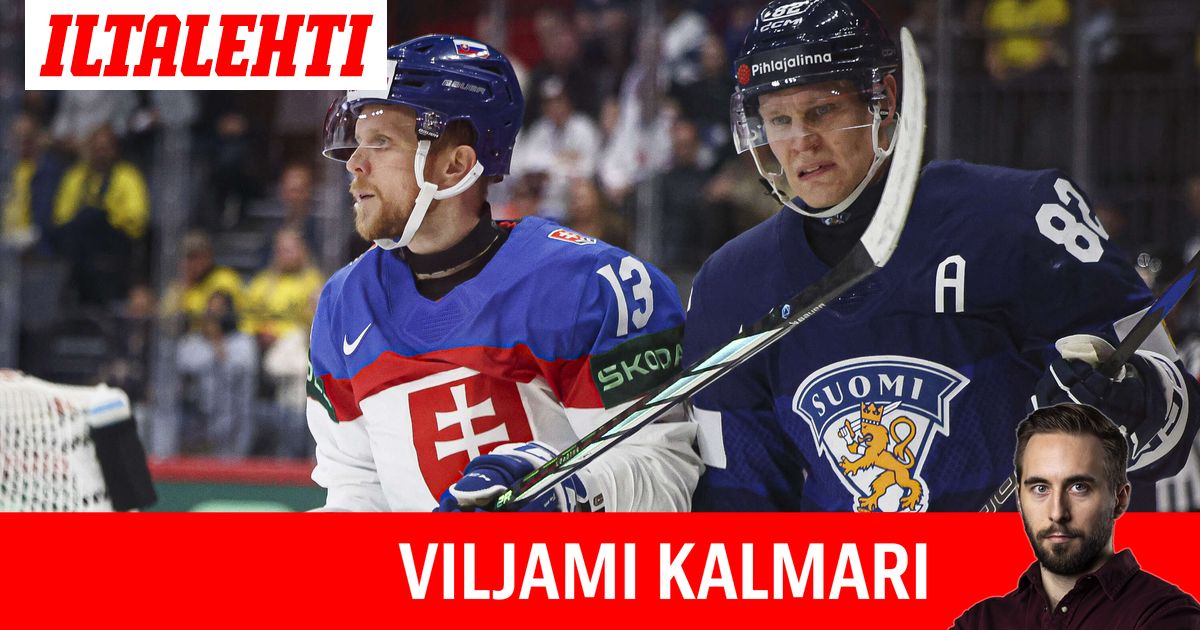
Fast forward to their match against Finland, Slovakia displayed a rather lackluster performance. With their dreams of advancing dashed, Slovakian players offered little in terms of celebration despite attempts to score. The most notable moment came when Robert Lantosi managed to slip the puck past Finnish goalie Emil Larmi twice, only for one of the strikes to be disallowed, raising eyebrows yet again.
Despite these attempts, the team seemed to struggle with consistency issues that have plagued them throughout the tournament. This underwhelming performance again brought to the forefront the lack of teamwork and the emotional burden of previous defeats.
Analyzing the Team’s Future
As the dust settles on this tournament, many questions linger about the future of Slovakian hockey. Analysts have noted that if Slovakia wishes to remain competitive in international hockey, serious changes need to be made, both in terms of player development and coaching strategies.
The youth pipeline will be crucial. Many believe that investing in the skills and techniques of younger players can lead to a brighter future. The Slovak Hockey Federation must take initiative to improve training camps and scouting to ensure that talent is not wasted.
Moreover, learning from mistakes is imperative. Observing how other nations sustain success in hockey can provide valuable lessons for Slovakia as they strive to rebuild their program.
The Emotional Toll of Unfulfilled Expectations
Both players and fans often carry an emotional weight during such disappointing campaigns. The frustration stemming from perceived injustices can lead to a negative cycle that affects player performance. The psychological aspect cannot be overlooked, as pressure mounts with every game that does not meet expectations.
The responsibility lies not only with the players but also within the coaching staff to cultivate a supportive environment where players can thrive despite setbacks. They must develop a mentality focused on future growth rather than being bogged down by past errors.
Point of No Return?
As Slovakia moves forward, they must confront their shortcomings openly. This shines a light on discussions about systemic issues within the sport at the national level. From coaching philosophies to player motivation, every facet of the team’s approach needs to be analyzed and adjusted.
Engagement with fans could serve as a catalyst for renewed interest and support, leveraging their passion to create a more united front as the road to recovery begins.
Moving into upcoming tournaments, optimistic changes are essential to break free from the haunting decisions that have clouded Slovakia’s ice hockey narrative.
With a stronger foundation and a focus on strategic growth, Slovakia can hope to rebuild and rise once more in the world of ice hockey. The questions still loom: Will they rise to the occasion, or continue to dwindle into obscurity? Only time will tell.