
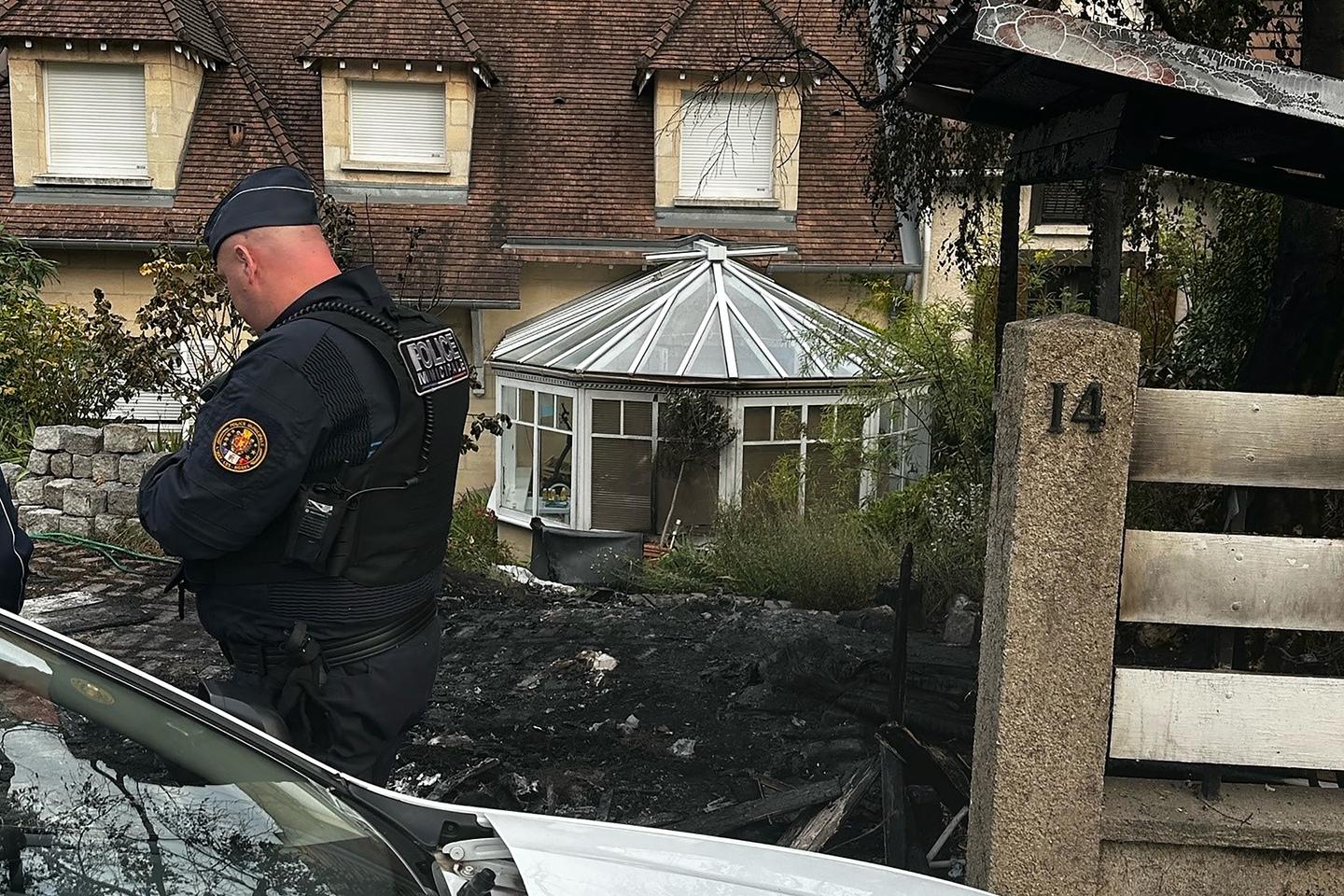
The Alarming Trend of Violence Against Elected Officials
A recent report by Minister François-Noël Buffet highlights a concerning reality regarding the safety of elected officials. On May 20th, 2023, he shared insights into the escalating violence against political figures. While overall incidents have seen a slight decrease—from 2,759 in 2023 to 2,501 in 2024—the previous years had witnessed alarming increases of 32% in 2022 and 19% in 2023.
This reduction, amounting to a decline of 9.35%, seems marginal compared to the constant worry that such violence instills in local governance. Insecurity remains a persistent issue, with 64% of attacks targeting mayors, while other elected officials, including local representatives (18%) and parliamentarians (13%), also experience setbacks.
The Implications of Violence on Local Governance
The implications of this violence extend far beyond mere statistics. With municipal elections approaching in less than a year, there is a looming concern over a vocational crisis among local officials. Minister Buffet underscored this reality, stating that one in two mayors do not see themselves continuing in office by 2026. This sentiment raises questions about the overall stability and efficiency of local governance.
Elected officials are increasingly worried that persistent violence will deter individuals from seeking public office. “If our mayors feel they are within reach of various types of aggression, fewer people will be willing to step into these vital roles,” Buffet warned. This fear is not just anecdotal; it reflects a profound shift in how public service is perceived and experienced by those who hold office.
Finding Solutions: Addressing Violence Against Elected Officials
Addressing this issue demands a multi-faceted approach. Enhanced security measures for elected officials must be prioritized, especially given the alarming trends of assault. Communities must come together to create a safer environment, fundamentally challenging the normalization of violence against political figures.
A comprehensive strategy should include community engagement initiatives, with local governments working closely with citizens to promote understanding and respect for elected representatives. Soft measures like community outreach programs can pave the way for changing public perceptions and attitudes towards local politicians.
Additionally, law enforcement agencies must adopt a proactive approach to safeguard officials. A specialized task force dedicated to monitoring and responding to incidents involving elected officials could significantly enhance their safety. Furthermore, public awareness campaigns could educate citizens on the importance of protecting democracy and maintaining respect for elected individuals.
Conclusion: Upholding Safety and Dignity in Public Service
Ultimately, the safety and security of elected officials are crucial to the democratic fabric of any society. The increasing prevalence of violence against these individuals poses a serious threat to local governance and political participation. It’s imperative that society rises to this challenge—not only to protect those in power but to preserve the integrity of our democratic institutions. Only by fostering a culture of respect can we ensure that public service remains a viable and noble pursuit.