
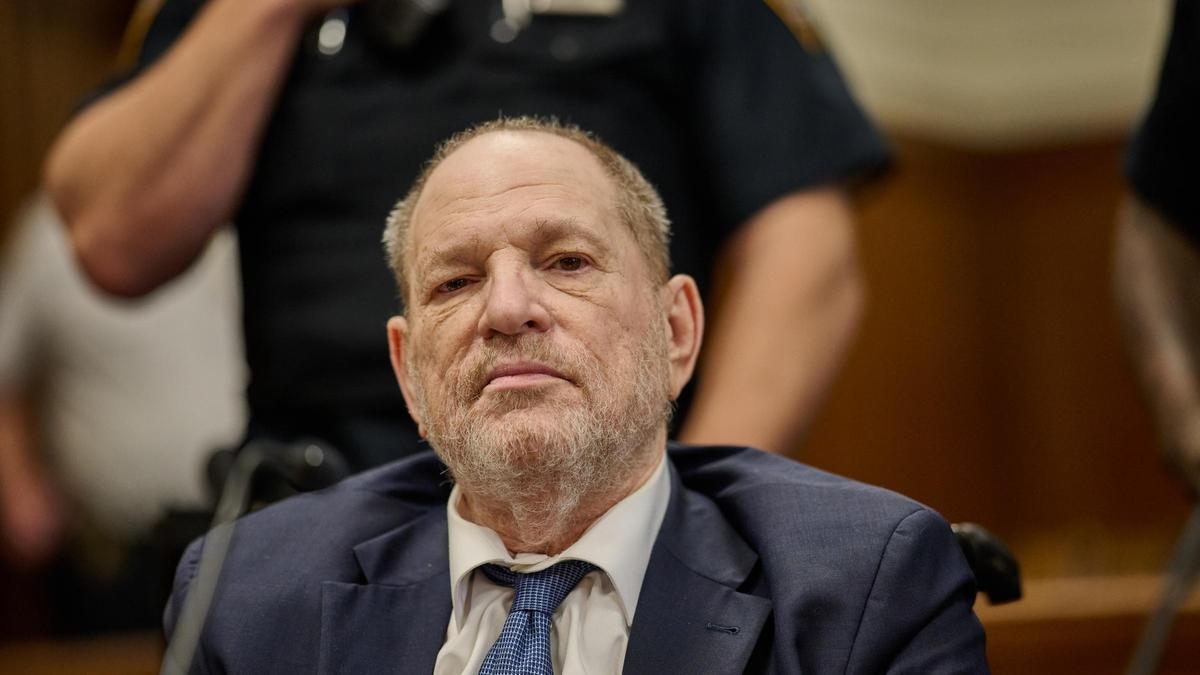
Harvey Weinstein’s Controversial Statements on Sexual Assault Allegations
In a recent recorded interview, Harvey Weinstein, the notorious film producer convicted in 2020 for sexual assault, vehemently denied the allegations of sexual harassment made by actresses Gwyneth Paltrow and Rose McGowan. Weinstein, who is currently facing a new trial for abuses in New York, described these accusations as “false” during a conversation with conservative podcaster Candace Owens.
Gwyneth Paltrow’s Allegations: A Denial from Weinstein
Weinstein specifically addressed Paltrow’s claims from 2017. She accused him of inviting her to his hotel room, making unwanted advances, and suggesting a massage opportunity after she auditioned for the film Emma (1996). In his own words, he called Paltrow’s statements a “complete fabrication.” While he did acknowledge that he “came on to” the actress, he insisted that he did not physically touch her. Weinstein stated, “(Paltrow) thought our relationship was abusive, but we were just friends. There are pictures of her hugging me when I was sick in the hospital.” His comments reflect a mindset where he appears to trivialize the severity of the accusations levied against him.
The Impact of Rose McGowan’s Allegations
Moving on to Rose McGowan, who accused Weinstein of violating her in 1997, he claimed to have reached a $100,000 settlement to keep her silent. “I came to an agreement with Rose McGowan. I gave her $100,000 […] I told her: just don’t tell my wife, don’t get me in trouble,” Weinstein recounted. This remark not only sheds light on the sordid dealings of his past but also raises troubling questions regarding the culture of silence that often surrounds powerful figures in Hollywood.
Claims of Injustice: Weinstein’s Perspective
Weinstein further reiterated his belief that he was “wrongfully convicted” in both his New York and Los Angeles trials. He characterized his actions as “errors,” asserting that while he hurt his family and friends through his infidelities, he did not commit the crimes he was convicted of. “I deceived my wife, and that was a terrible mistake. But I did not commit those crimes,” he stated. This narrative points to an underlying defense mechanism, where acknowledging infidelity is seen as a way to mitigate more serious accusations of sexual crimes.
The #MeToo Movement and Continued Repercussions
It is essential to note that Weinstein’s alleged abuses were a critical catalyst for the #MeToo movement, which has transformed societal attitudes toward sexual harassment and abuse. His conviction in New York in 2020 resulted in a sentence of 23 years in prison based on testimonies from producer Miriam Haley and actress Jessica Mann, substantiating claims of sexual offenses that occurred between 2006 and 2013.
However, the public’s perception of his case has undergone changes since then. A year after his conviction, an appellate court overturned the decision due to procedural errors, leading to the current new trial awaiting him in New York. The journey from high-profile criminal charges to a reexamination of the judicial process illustrates the complexities surrounding legal accountability in cases of sexual misconduct.
Public Reaction and the Future
The interview has sparked renewed interest in Weinstein’s previous offenses and the broader implications of the scandals that rocked Hollywood. Public sentiment remains divided, with some expressing skepticism regarding Weinstein’s claims of innocence and others echoing his narrative of a flawed judicial process.
Moreover, the consequences of the allegations against Weinstein extend far beyond his personal life. The revelations have prompted many in the entertainment industry to reevaluate power dynamics, workplace interactions, and the safety of individuals within the film community.
In conclusion, Harvey Weinstein’s latest remarks provide a glimpse into his mindset and illustrate the ongoing conversation surrounding sexual assault, accountability, and societal change. As the legal proceedings unfold, the focus will remain not only on Weinstein’s fate but also on how this case continues to resonate within the evolving landscape of personal accountability and systemic reform in Hollywood.