
Normalization Process After the Syrian Civil War
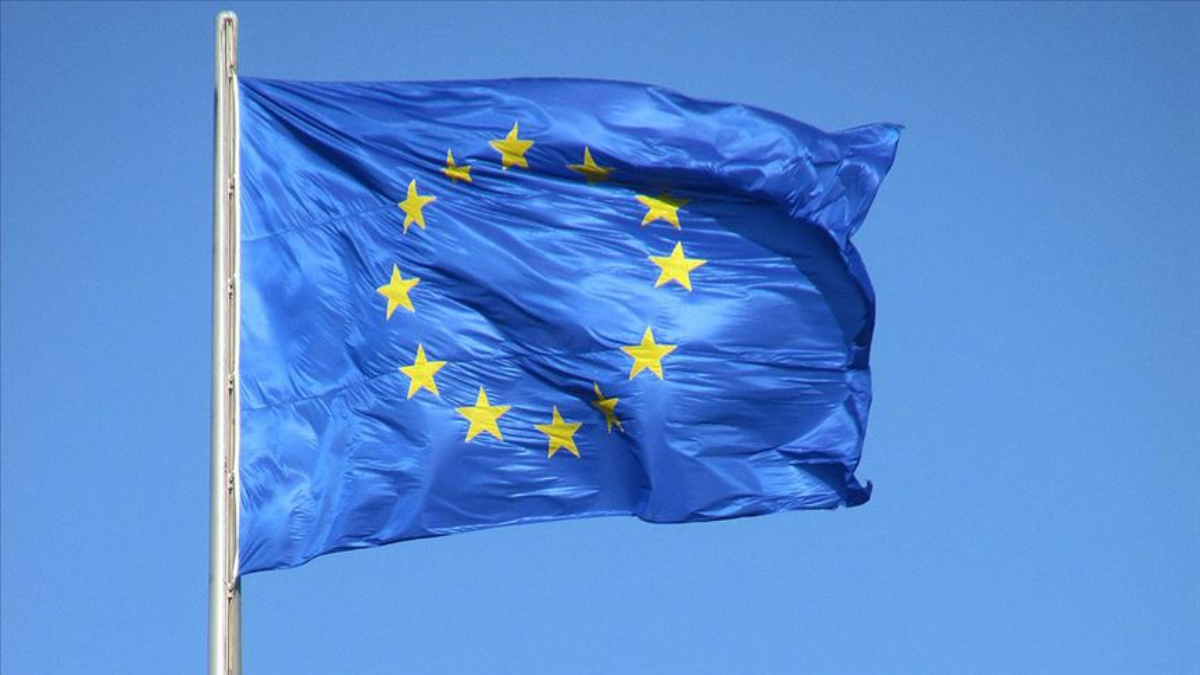
The international community is witnessing a significant **normalization** process following the end of the **Syrian Civil War**. Developed over a decade, this effort is gaining momentum, especially with the **European Union (EU)** taking noteworthy steps towards diplomatic engagement.
EU’s Remarkable Decision
In a recent announcement, the **EU** stated it has reached an agreement to lift all sanctions imposed on the Syrian regime. During a meeting held in Brussels, EU foreign ministers unanimously decided to revoke the economic sanctions that have been in place since 2011.
The sanctions aimed at undermining the regime of Bashar al-Assad included freezing the assets of regime officials, imposing travel bans, and restricting oil exports alongside various embargoes on critical economic sectors. These measures were intended to pressure the Assad regime into a political settlement.
Official Announcement from the EU
Josep Borrell, the High Representative of the **European Union for Foreign Affairs and Security Policy**, backed this significant decision. Following the foreign ministers’ meeting, he took to social media, stating:
“Today, we have decided to lift the economic sanctions imposed on Syria.”
Borrell emphasized the EU’s commitment to aiding the Syrian population in building a “new, inclusive, and peaceful Syria.” This move illustrates the EU’s ongoing support for the Syrian people as they navigate this challenging transition.
Reactions from the Syrian Government
Syria’s Foreign Minister, **Faisal Mekdad**, touted this decision as a historic victory. He remarked:
“By lifting the sanctions imposed on Syria, we have marked a new historic success alongside the Syrian people. This decision will enhance security, stability, and prosperity within Syria.”
The lifting of sanctions signals a turning point in international relations concerning Syria, with hopes for a renewed focus on stability and reconstruction efforts.
Context Behind the Decision
Since the outbreak of the Syrian Civil War in 2011, the humanitarian crisis has escalated. Millions have been displaced, infrastructure has collapsed, and the economy has come close to complete failure. Although EU sanctions were intended to weaken the Assad regime economically, they have faced criticism for exacerbating the living conditions of ordinary Syrians.
With the potential downfall of Assad’s regime, a new political process has opened up within Syria. The international community is eager to contribute to the country’s reconstruction and gradual return to normalcy.
Other International Movements
During the same timeframe, former **U.S. President Donald Trump** echoed similar sentiments about lifting sanctions. In Riyadh, Saudi Arabia, during an investment forum, he announced the revocation of sanctions on Syria at the request of Turkish President **Recep Tayyip Erdoğan**.
Trump emphasized that this decision is crucial for Syria’s reconstruction and the broader stability of the region. He noted:
“The leader of Turkey recently made a similar request. Respected friends in the Middle East are also advocating for lifting the sanctions on Syria.”
Implications for the Future
The **lifting of sanctions** carries vast implications for Syria’s future. It can open doors for international **investment**, aid, and humanitarian support that could assist the country in recovering from the aftermath of the prolonged conflict. Moreover, improving relations between the EU, the U.S., and the Syrian government may lead to a broader diplomatic resolution involving regional powers.
That said, the situation remains complex. Concerns persist about the implications of normalizing relations with the Assad regime, which has been accused of serious human rights violations. The international community must tread cautiously to balance humanitarian needs with ethical considerations regarding governance in Syria.
Challenges Ahead
As Syria embarks on this new chapter, the path ahead is fraught with challenges. Issues such as **reconstruction**, **economic recovery**, and **returning displaced populations** pose significant hurdles. Furthermore, the legitimacy and acceptance of the Assad regime both within Syria and globally remain vital concerns.
While the EU and the U.S. are taking initial steps towards normalization, sustaining momentum in political negotiations and ensuring positive reforms within Syria will be critical for long-term success. **Involvement from regional players** and robust international cooperation will be paramount to achieving a stable and peaceful Syria.
In conclusion, the lifting of sanctions by the EU and U.S. marks a monumental shift in the international stance towards Syria, opening up avenues for diplomatic engagement and reconstruction efforts. As the global community watches closely, the actions taken in the coming months will be pivotal in shaping Syria’s future.