
The Romanian Presidential Election: A Turning Point for Democracy
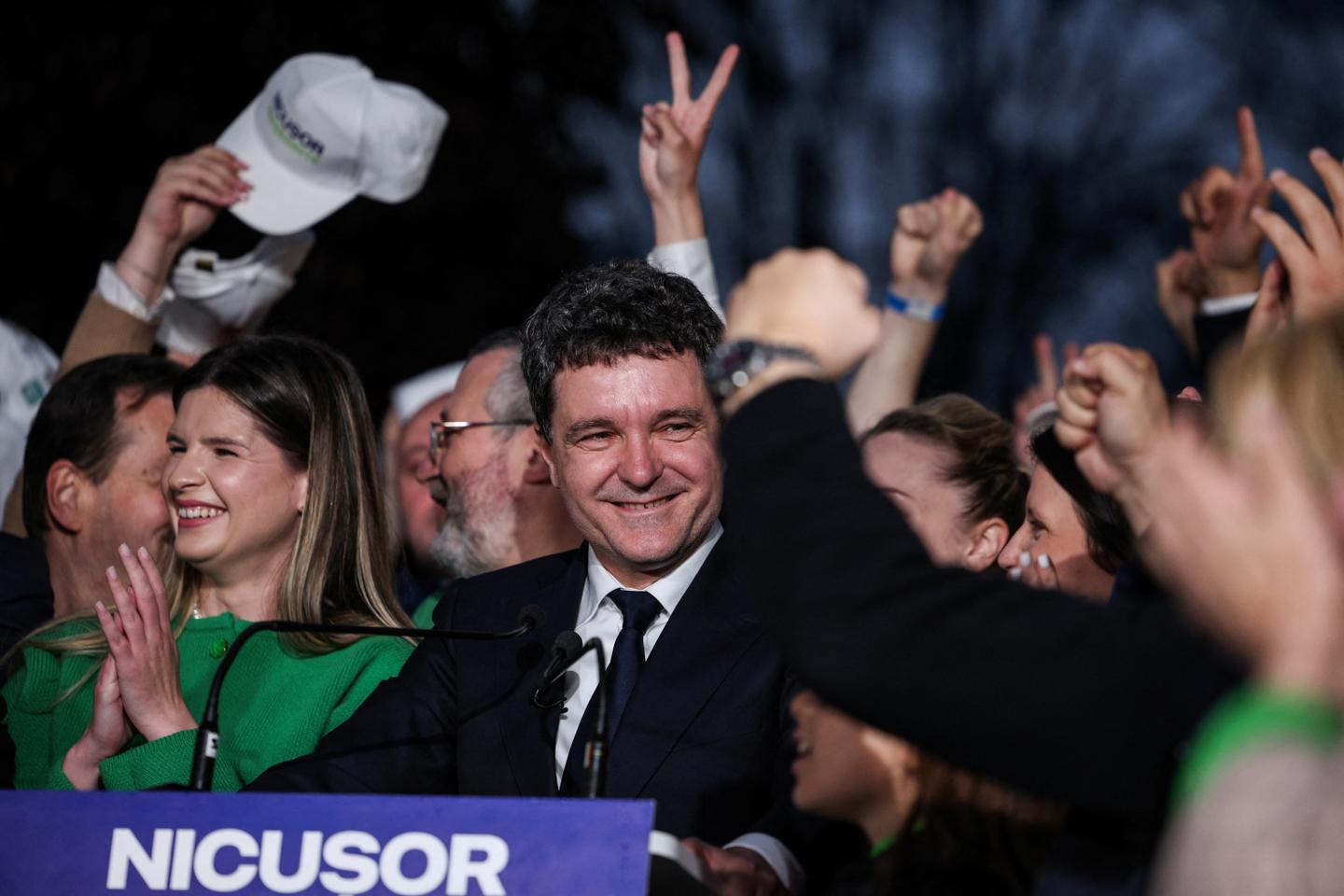
The recent **presidential election** in Romania on May 18 has set the stage for potential **governmental transformation**, with centrist candidate **Nicusor Dan** emerging as the frontrunner. According to exit polls, Dan garnered more than **54%** of the votes, triumphing over **George Simion**, the leader of the **Alliance for the Romanian Unity (AUR)**, who captured approximately **45%**. This election witnessed significant participation amidst a tense political climate, marking a pivotal moment in Romanian democratic engagement.
Voter Sentiment and Tension
As polling stations closed, the atmosphere reflected a ***heightened voter sentiment***, signaling the populace’s desire for change. Both candidates championed beliefs that reflect the divergent paths Romania can take in the near future. With **pro-European policies**, Dan represents a push towards integration and reform, drawing support from those aiming to secure Romania’s place within the larger European framework. Conversely, Simion, known for his **nationalistic** rhetoric, appeals to voters looking for a return to more **traditional values** and skepticism toward the European Union’s influence.
Tensions flared during the campaign, particularly with allegations made by Simion regarding **electoral fraud**. He claimed that the election process was tainted and called into question the legitimacy of Dan’s lead. These assertions were met with a staunch denial from local authorities, emphasizing the need to maintain election integrity and transparency. The discourse surrounding these accusations reflects the ongoing struggle for trust in the electoral process within Romania, especially in light of past experiences with corruption.
Foreign Influence and Media Dynamics
Adding another layer of complexity to the election was the accusation made by **Pavel Durov**, founder of **Telegram**, who suggested that **France** attempted to **censor conservative voices** in Romania. This statement underscores the international stakes involved in Romania’s political landscape, where foreign influence is often scrutinized. France’s **Ministry of Foreign Affairs** refuted these claims, asserting that they were unfounded and aimed at distorting the electoral narrative.
Furthermore, the Romanian **Foreign Ministry** responded to the **disinformation campaigns** spread through social media platforms, particularly Telegram. Officials pointed out that these campaigns were not only misleading but also seemed to bear signs of **Russian interference**, aiming to impact Romania’s democratic processes. Such dynamics complicate the already charged election atmosphere as both local and international actors play crucial roles in shaping voter perceptions.
What Lies Ahead for Romania
As Romania heads into a new governmental phase, attention will turn to how **Nicusor Dan** will approach pressing issues such as economic reform, social policies, and foreign relations. The mandate bestowed upon him by the electorate comes with high expectations amid challenges related to public trust and institutional integrity. The administration’s ability to navigate these turbulent waters will be critical in determining its longevity and effectiveness.
In contrast, **George Simion**, despite his defeat, continues to represent a significant faction of Romanian society that favors a return to **nationalistic principles**. His firm stance and active engagement with constituents suggest that he will remain a formidable force in Romanian politics, advocating for a alternative vision that resonates with a substantial segment of the population.
With the electoral landscape in Romania rapidly evolving, the implications of this election extend beyond national borders, highlighting the **intersection of local governance** and **global dynamics**. The outcome of this election could not only reshape the political fabric of Romania but may also influence regional stability and European diplomatic relations in the upcoming years.
The results of the presidential election on May 18 signify a crucial moment for Romania, bringing both opportunities for advancement and challenges in ensuring a cohesive, trusted governance that reflects the will of its people.