
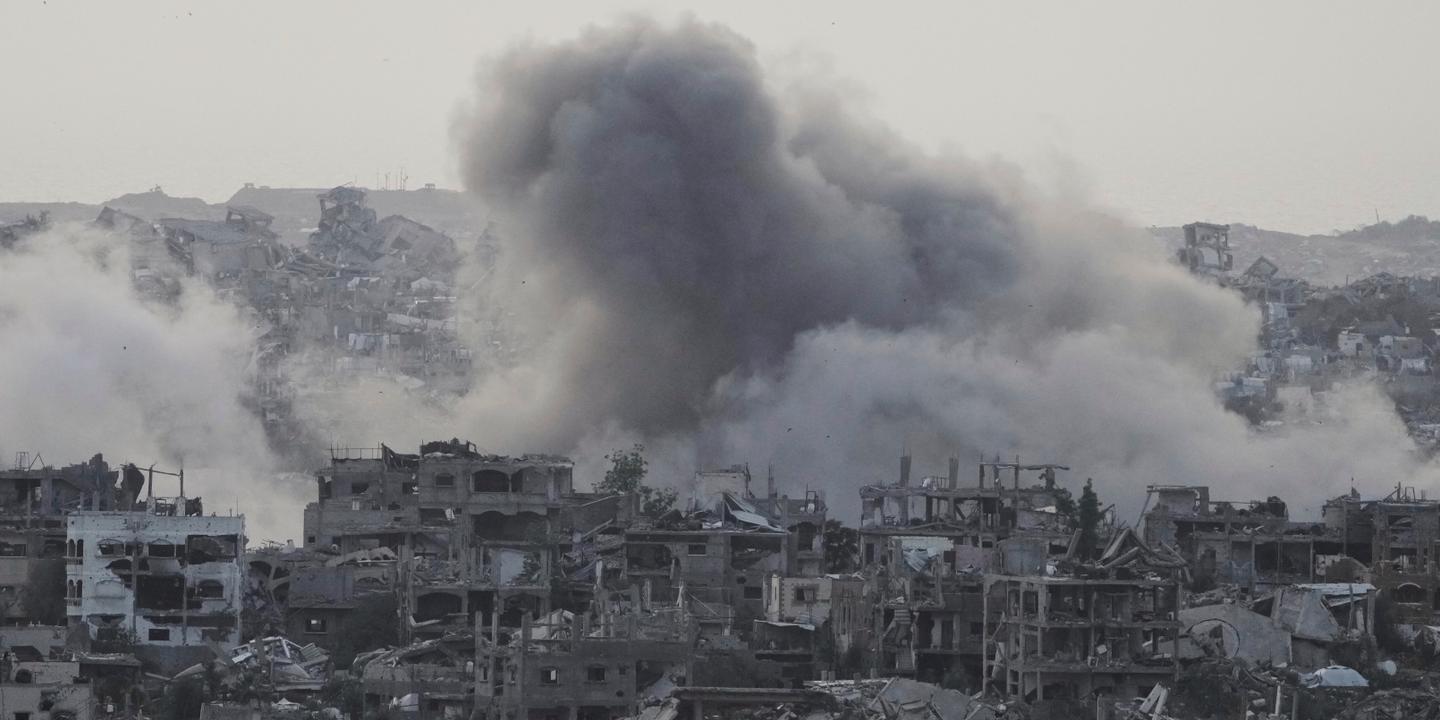
The Houthists Report “Israeli” Strikes on Ports in the Province of Hodeida
In a recent escalation of tensions, **Israel’s Minister of Defense** Israel Katz confirmed airstrikes targeting ports controlled by the **Houthist** movement. In a statement on the platform X, he noted that **”Ports that are under the control of the terrorist organization of Houthists were seriously damaged.”** This acknowledgment supports claims by the Houthists, who assert that these strikes represent a catastrophic assault on vital infrastructure in the **Hodeida** province of Yemen.
According to Israeli military intelligence, the targeted ports of **Hodeidah** and **Al-Salif** are reportedly utilized for the transfer of weapons. Katz emphasized that these strategies serve as a further illustration of the **Houthists’** use of civil infrastructure for terrorist activities. The statement criticized the Houthist regime’s actions, framing them as a **cynical exploitation** of the Yemeni populace’s needs to fuel their militant agendas.
The recent incursions into Yemeni airspace marked a significant escalation; for the first time, a **Houthist missile** impacted the perimeter of **Ben-Gourion International Airport** in Israel. This unprecedented event prompted the Israeli Defense Forces (IDF) to respond with a series of retaliatory strikes aimed at diminishing the Houthists’ operational capabilities. This response included actions that rendered **Sanaa Airport** inoperable and targeted key industrial sites such as **electric stations** and **cement factories** last week.
Intriguingly, while Israel undertakes military measures, the United States has initiated diplomatic negotiations with the Houthists, facilitated through **Omani mediation**. This diplomatic effort culminated in a ceasefire agreement, effectively putting an end to weeks of American airstrikes which had aimed to retaliate for missile assaults and attacks directed at maritime vessels in the vicinity of Yemen. This truce underscores the complexities intertwined within the conflict, where military responses and diplomatic overtures tug at the fabric of international relations.
Understanding the Dynamics of the Houthist-Israeli Conflict
The **Houthist movement**, primarily based in northern Yemen, has gained notoriety for its operations against various groups, including the **Saudi-led coalition**. Their increasing capabilities in terms of missile technology have drawn more scrutiny from neighboring countries, particularly Israel. The escalation seen in the recent missile strike on Ben-Gourion Airport indicates that the conflict has unfolded far beyond Yemen’s borders, compelling nations like Israel to reconsider their security paradigms in the region.
Israel’s involvement in the Yemeni conflict, though indirect, raises questions about the implications for **Middle Eastern geopolitics**. The strategic positioning of both Israel and the Houthists reveals the precarious balance of power, where miscalculations can lead to extensive military engagements. The Houthists’ operations often draw upon regional support, making it essential to understand the international dynamics surrounding this complex conflict that has its roots in local grievances but has ramifications that stretch into international politics.
Humanitarian Implications
The ongoing conflict has devastating **humanitarian repercussions** that deserve attention. As Israeli strikes focus on military targets, the risk of collateral damage remains high. The ports in **Hodeida** are vital not only for military logistics but also for the shipment of essential goods and humanitarian aid. Disruption to these ports can lead to a humanitarian crisis, exacerbating the suffering of civilians already caught in a prolonged conflict. Access to food, medicine, and other essential supplies hangs in the balance, highlighting the moral complexities underlying military decisions.
The potential for greater civilian casualties as a result of military operations points to the urgent need for a **robust international response**. As the conflict continues to escalate, the international community must grapple with the necessity for both immediate humanitarian assistance and long-term solutions aimed at achieving a sustainable peace in Yemen. The role of outside actors, including Israel and the United States, is critical in navigating the turbulent waters of regional power dynamics to ensure that civilian needs are prioritized amid military engagements.
Conclusion
In summary, the recent **Israeli strikes** on Houthist-controlled ports have exacerbated an already complex geopolitical landscape in the Middle East. The interplay between military action and diplomatic efforts underscores the multifaceted nature of the ongoing conflict. As the stakes continue to rise with each passing day, the imperative for a unified approach to address humanitarian needs and the underlying causes of conflict has never been clearer. Moving forward, the international community must remain vigilant and proactive, emphasizing dialogue over military escalation to foster peace and stability in the region.