
Concerns Over Influencer Content on Social Media Platforms
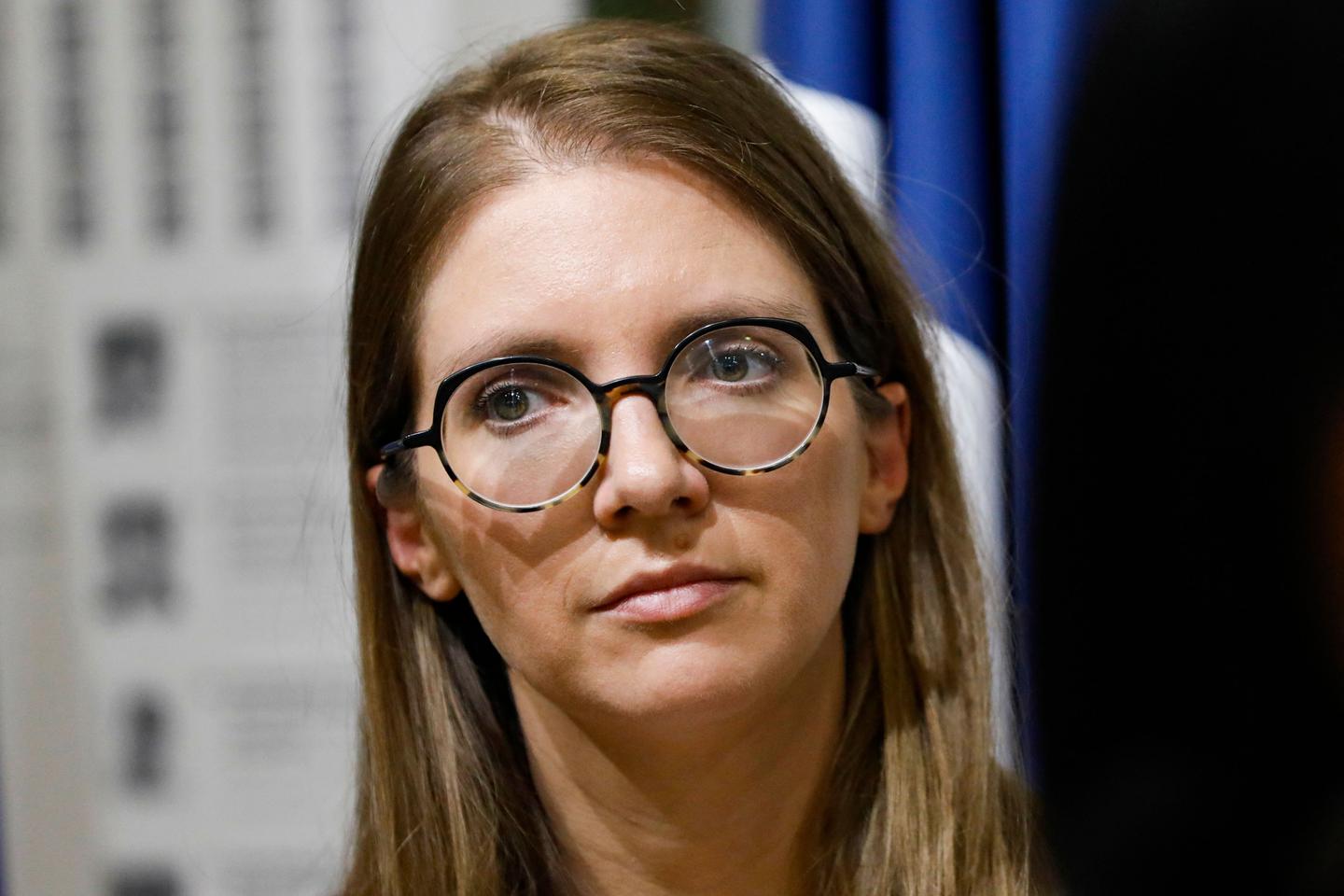
The rapid growth of **social media** has transformed the way we communicate, express ourselves, and share information. However, this growth brings with it a plethora of challenges, particularly when it comes to the **content** shared by prominent influencers. A recent incident involving **Aurore Bergé**, France’s Minister for Equality between Women and Men, highlights these challenges, particularly concerning the infamous influencer **Ad Laurent**.
In a message released on May 15, 2024, on the social platform **X**, Minister Bergé expressed her satisfaction regarding the deletion of Ad Laurent’s TikTok account. This decision followed her official report concerning the content shared by Laurent, which she deemed to be extremely concerning. Bergé emphasized that she received numerous messages from the public urging her to address other questionable accounts, reaffirming that social networks are not a **lawless** zone.
Addressing Disturbing Content
Minister Bergé wrote a formal letter to the president of **TikTok France**, raising alarm over the content propagated by Ad Laurent, whose real name is **Adrien Laurent**. With **over 1.8 million** followers on TikTok, Laurent’s videos were described by Bergé as promoting a “**distorted and toxic vision of sexuality**.” The incidents included inappropriate live streams featuring young girls and videos depicting **violent sexual practices** without consent.
In her correspondence, Minister Bergé articulated that such content is responsible for instilling a **hypersexualized** culture while undermining the respect and equality principles essential for fostering a safe environment for youth. She described such representations as “contrary to the fundamental principles of equality and respect” and noted the significant risk posed to **younger audiences**.
Despite the growing public discourse, TikTok has remained notably silent on whether the removal of Laurent’s account was directly correlated with Minister Bergé’s appeal.
The Impact of Allegations
Ad Laurent is no stranger to controversies. A former reality television participant turned adult film actor, he saw his Instagram account deleted in 2020 due to similar issues. Although he has since rebounded—restarting his Instagram presence and operating on **Telegram** with a following of around **360,000**—his prominence on TikTok persisted. This prominence prompted Minister Bergé to question the effectiveness of TikTok’s content moderation procedures, raising concerns about its commitments to user safety and well-being.
In response, Laurent vehemently denied the allegations laid out in Minister Bergé’s letter, publicly denouncing the claims as a “good big skewer of defamation and lies.” He insisted that he works exclusively with adult, consenting, and professional individuals and promotes **consent and respect** between genders. His assertions call into question the challenges of regulating content that skirts the line of legality while pushing the boundaries of **social acceptability**.
The Role of Social Media in Modern Society
The current situation underscores the **responsibility** that social media platforms must uphold regarding the content shared on their services. As influencers reach larger audiences, their influence becomes both a **privilege and a burden**. The potential consequences extend beyond mere engagement metrics; they encompass the wellbeing of impressionable youth who consume this content.
Many individuals resonate with Minister Bergé’s sentiments regarding the implications of allowing unchecked narratives to proliferate. The case of Ad Laurent represents a broader **societal debate** concerning freedom of speech, the responsibilities of influencers, and the role of regulatory bodies in curbing harmful messages.
Simultaneously, one cannot ignore discussions surrounding **censorship**. Laurent’s claims of an impending **censorship** agenda highlight the delicate balance society must strike between protecting vulnerable populations and encouraging **freedom of expression**.
The Future of Social Media Regulation
As discussions about the repercussions of influencer content gain momentum, it is evident that effective **regulation** is critical for safeguarding digital spaces. The conversation around whether the government should regulate social media platforms to ensure they uphold certain **ethical standards** is ongoing.
The **globalization** of social media means that content shared by individuals in one region can easily transcend borders, making it more challenging to govern. Therefore, it becomes vital for platforms like TikTok to adopt **ethical guidelines** coupled with stringent moderation practices.
Moreover, initiatives advocating for more transparent algorithms and clearer standards for acceptable content must be prioritized. This would not only foster safer environments but also encourage greater accountability among influencers.
Additionally, educational campaigns aimed at informing users about the types of content they consume are essential. By promoting digital literacy, users, especially **youngsters**, can become more discerning consumers of social media, enabling them to navigate its complexities effectively.
In conclusion, the controversial case of Aurore Bergé versus Ad Laurent shines a light on the many challenges and responsibilities that come with being a social media influencer. As we navigate this evolving landscape, it becomes essential for stakeholders—including users, influencers, and platforms—to engage in a constructive dialogue about **ethical practices**, accountability, and the broader implications for society at large.