
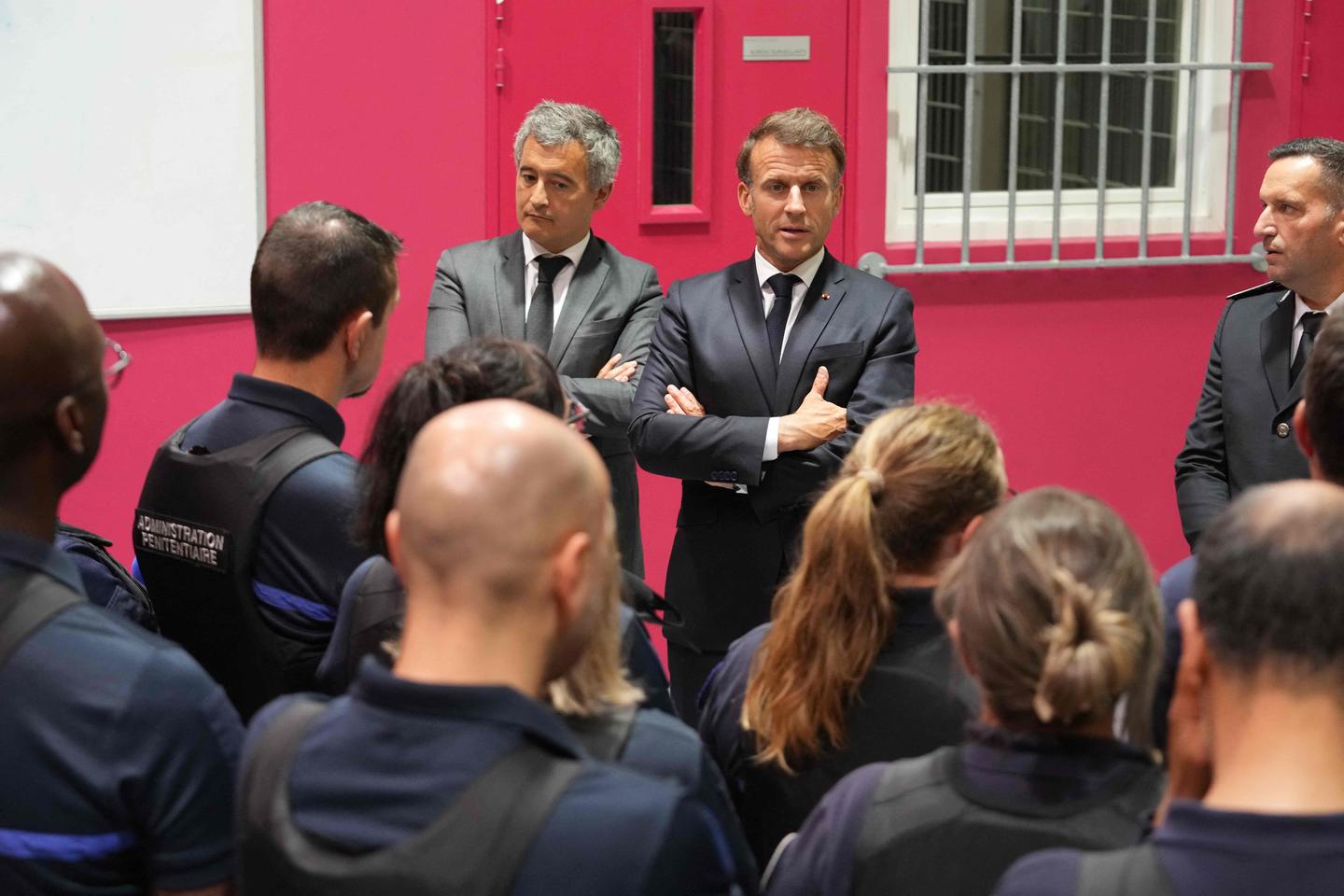
The Current State of French Prisons
The French prison system has been facing significant challenges in recent years. With an ever-increasing **prison population**, the country’s facilities are struggling to accommodate the number of detainees. This situation has led to **overcrowding** in many facilities, with some reporting that their occupancy rates exceed **200%**. As of April 1, 2025, there were approximately **82,921 detainees** housed within a capacity of just **62,358** places. This alarming statistic highlights the urgent need for effective solutions to address the ongoing **crisis** in the French penal system.
Proposed Solutions for Overcrowding
In a recent stirring debate, President **Emmanuel Macron** and Béziers Mayor **Robert Ménard** discussed potential strategies to alleviate this overcrowding. During an interview on **TF1**, Ménard provocatively suggested that France should consider “**renting** prison places in Germany or Spain.” Echoing this sentiment, Macron responded affirmatively, saying, “**Yes, we will rent, if necessary, prison places where they are available.**” This proposal, while unconventional, sheds light on the extreme measures that may need to be adopted to ease the burden on the French prison system.
The **Minister of Justice**, Gérald Darmanin, has also hinted at exploring this option. In a March interview with the *Sunday Journal*, he mentioned, “**This is a solution that I study and for which I have, for the moment, no legal counter-advisor.**” Such admissions from government officials indicate that the idea of outsourcing prison space is gaining traction within France.
Exploring International Precedents
The consideration of utilizing empty cells in foreign countries raises numerous questions about the legality, ethics, and practicality of such a plan. Countries like **Germany**, **Spain**, and the **Netherlands** might serve as potential collaborators. However, the implications of such actions—particularly regarding the treatment of inmates and their legal rights—cannot be overlooked.
Germany, known for its humane approach to **criminal justice**, could offer a model for how to manage prisoner rehabilitation and recidivism. In contrast, Spain’s prison system is also famed for its emphasis on **rehabilitation over punishment**. If France were to pursue this path, it would be crucial to ensure that any foreign prisons they collaborate with meet the same **human rights standards** that France aims to uphold.
Impact of Overcrowding on Prison Conditions
Overcrowding has profound effects on both detainees and prison staff. In facilities with such severe congestion, the quality of life for inmates diminishes considerably. Detainees often face **substandard living conditions**, with limited access to essential services like healthcare and education. This deterioration not only affects their physical and mental well-being but also complicates efforts to rehabilitate and reintegrate them into society upon their release.
Moreover, overcrowding puts substantial pressure on prison guards and staff, leading to heightened tensions and potential safety risks. Fatigue, stress, and burnout among correctional personnel have been leading factors in escalating violence within prisons. Increasing staff numbers and improving working conditions must be part of the conversation surrounding any reforms to the penal system.
The Role of Drug Trafficking and Crime Networks
Further complicating the situation is the influence of **drug trafficking** and organized crime, particularly from entities such as the **DZ Mafia**. In recent years, significant **prison attacks** have been linked to drug-related conflicts, underscoring the darker side of the overcrowding crisis. The chaotic environment created by inmate overcrowding can foster criminal activity even within prison walls, making reforms all the more urgent.
Efforts to combat these issues cannot be one-dimensional. A holistic approach that considers law enforcement, community support, and international cooperation is vital for success. Underlining the importance of both preventive and corrective measures, policymakers are faced with the challenge of addressing the root causes of crime while also managing the repercussions of a bloated prison population.
The Future of Penal Reform in France
While ambitious proposals such as renting prison places might momentarily alleviate some pressures, they do not address the **fundamental flaws** within the system. Longer-term strategies are needed to tackle overcrowding at its source. This includes investing in **rehabilitation programs**, enhancing job training opportunities for inmates, and implementing effective **community service** options for minor offenses.
The government, along with social organizations and the public, must come together to engage in open dialogues regarding reform priorities. The goal should be to establish a more sustainable and effective penal system that promotes rehabilitation over punishment, thus reducing the rate of recidivism in the long run.
In summary, while France grapples with a **prison crisis** characterized by extreme overcrowding, the responses offered by the government, including the potential to **rent** foreign prison space, open up dialog for significant changes. However, the nation must consider comprehensive strategies to build a more effective and humane justice system, focusing on rehabilitation and community integration.