
The Tunisian president, Kaïs Saïed, denounced in the night of Monday to Tuesday, April 29, international criticisms, notably from France and Germany, who followed the condemnation of opponents to heavy prison terms, by calling them as“Flagrant interference”.
“The declarations and press releases emanating from foreign parts are unacceptable (…) and constitute a blatant interference in the internal affairs of Tunisia ”underlined Mr. Saïed, by receiving his Minister of Foreign Affairs, according to a press release from the presidency. “While some express their regrets that international observers have been excluded [d’une audience du procès]Tunisia can also send observers to these parties (…) And also ask them to modify their legislation and amend their procedures ”he continued.
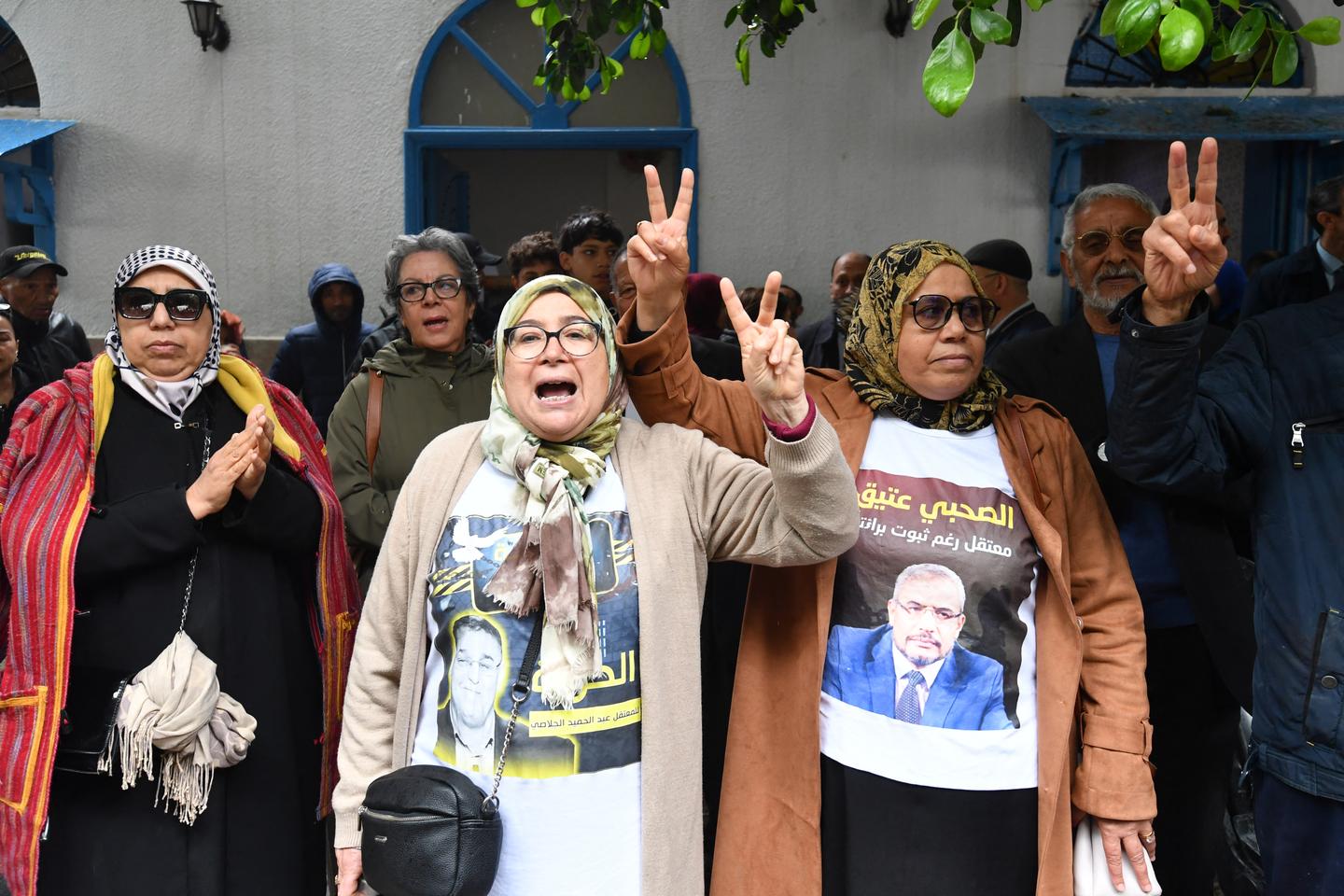
Dozens of Tunisian personalities including big names in the opposition have recently been sentenced to heavy penalties for “Plot” against the security of the state, which they deny by denouncing a file ” empty “ and politics. France, Germany and the United Nations have affirmed that the conditions of a trial ” fair “ had not been respected. Berlin notably regretted “The exclusion of international observers, notably the German Embassy in Tunis, of the last day of the trial”.
“Law violations”
The United Nations High Commissioner for Human Rights, Volker Türk, said that the process had been “Banned by violations of the right to a fair trial and the right to regular procedure, arousing serious concerns about political motivations”. He urged Tunisia “To refrain from using national security legislation and the fight against terrorism to silence dissent and restrict civic space”.
Since the coup de force by which Mr. Saïed granted full powers in the summer of 2021, NGOs and opponents have deplored a regression of freedoms in the cradle country of “Arab Spring” in 2011.
In addition to the megaproces of “Plot”dozens of known politicians, lawyers and columnists have been imprisoned since the beginning of 2023 under a decree repressing the dissemination of false news, with very broad interpretation.
The High Commissioner asked Tunisia once again “To put an end to political persecution, detention, arbitrary arrests and imprisonment” personalities, and “Respect all their human rights, including the rights to freedom of opinion and expression”. “Tunisia was a model and a source of inspiration for many nations in the region after the 2011 political transition and I hope that the country will return to the path of democracy, the rule of law and human rights”wrote the UN official.