

What are the new methods developed by Russian bailiffs for converting seized Bitcoin into cash? How does Dmitry Aristov describe Bitcoin in the context of state revenue? What legal precedents are being referenced by the Federal Bailiff Service in handling cryptocurrencies? What has been the result of the Marat Tambiev case for cryptoasset confiscation in Russia? What implications could a bill recognizing cryptoassets as property have on the future of cryptocurrency regulations in Russia?
Russian bailiffs say they have developed new methods to help them convert Bitcoin (BTC) seized in criminal cases into cash for the Treasury.
In a video posted on the Federation Council’s RuTube page, Dmitry Aristov, the head of the Federal Bailiff Service (FSSP), called Bitcoin a “problematic asset.”
Russian Bailiffs’ Bitcoin Problem Solved?
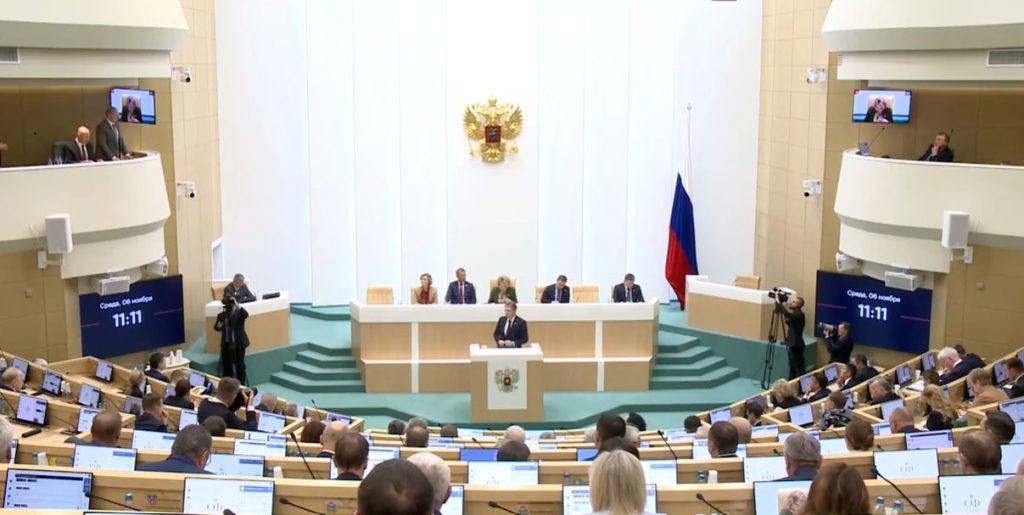
Aristov made the remarks at a meeting of the Federation Council Committee on Constitutional Legislation and State Building.
The council, also known as the Russian Senate, is the upper house of the nation’s parliament.
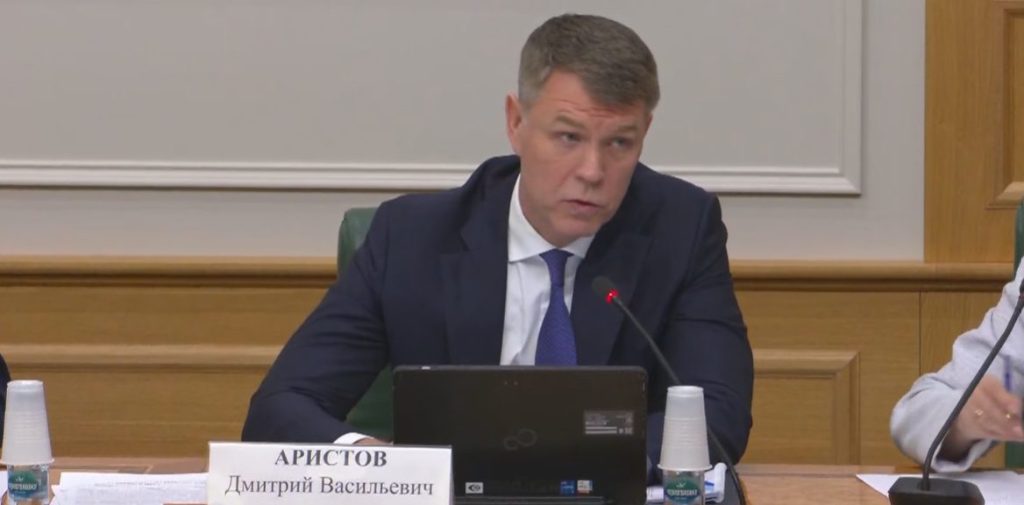
The FSSP is now working with “other relevant parties” on “mechanisms that will turn Bitcoin into state revenue.”
Aristov claimed that the FSSP can use legal precedent from a landmark criminal case to guide further actions.
He claimed that this allowed the FSSP to seize BTC (and, presumably, other cryptoassets). Now, he added, law enforcement agencies were “looking for a solution” to help them “sell” the coins.
The FSSP head was speaking in response to a question from a Senator. The lawmaker asked him about the service’s “protocols” for “confiscating cryptocurrencies.”
“We have a legal precedent, from a criminal case. During the investigation, we [confiscated] Bitcoin tokens.”
Dmitry Aristov, head of the Russian Federal Bailiff Service
However, Aristov said lawmakers needed to act. He claimed that a comprehensive “solution to the problem of confiscating cryptoassets” had not yet been finalized.
And he suggested that a comprehensive solution could remain out of reach until lawmakers roll out a bill outlining the legal status of BTC and other coins.
Aristov concluded that “first of all,” Moscow must “legislatively establish” the status of Bitcoin in Russia.
A New Crypto Impasse?
After years of political impasse due to contrary positions on crypto regulations, Russia finally passed two pieces of important crypto-related law last year.
One legalized crypto mining as a recognized form of business activity. The other allowed Russian companies to use crypto as a payment tool in international trade, within the confines of a Central Bank-run sandbox.
However, most critics and many top lawmakers agree that far more needs to be done. A much older piece of legislation outlawed the use of crypto as a payment instrument within Russia.
The Central Bank has since signed off on a proposal to allow qualified investors to trade crypto within its sandbox.
But the bank favors more extreme measures. These include a total ban on crypto exchanges operating outside the sandbox, as well as a ban on retail sector and corporate crypto investment.
However, Moscow appears to be divided on the issue. Several ministries and most major industrial miners favor regulating crypto exchanges and crypto transactions over China-style bans.
As such, a new impasse appears to be standing in the way of the kind of legal clarity the FSSP would like to see.
Tambiev Case: Opening Legal Doors for Bailiffs?
The media outlet RBC appeared to suggest that Aristov may have been referring to the case of the former Russian Investigative Committee investigator Marat Tambiev.
In 2024, Tambiev was convicted of taking Bitcoin bribes from an international fraud network. He was jailed for 16 years, with bailiffs confiscating BTC 1,032.
In January this year, the Russian Treasury said it had “begun the transfer” of the funds to its own coffers. The Treasury announced initial plans to “sell off” some $10 million worth of coins.
Tambiev, a District Court heard last year, took BTC from members of the Infraud Organization hacker group in exchange for diverting the course of a criminal probe into the group.
Last month, Moscow officials said that they were working on a bill that would recognize cryptoassets as a form of property “for the purposes of criminal procedures.”
The government is reportedly “considering the bill.” The Civic Chamber has also recently proposed creating a state-run fund for “confiscated cryptoassets.”
The chamber suggested that the “proceeds” from the sale of these “assets” could be used to fund “social projects.”
The post Russian Bailiffs Can Now Turn Criminals’ Bitcoin Into State Revenue appeared first on Cryptonews.
Russian Bailiffs Can Now Turn Criminals’ Bitcoin Into State Revenue
In a groundbreaking development, Russian authorities have officially granted bailiffs the authority to convert cryptocurrencies, particularly Bitcoin, seized from criminals into state revenue. This pivotal move not only reflects the growing embrace of digital currencies in Russia but also indicates a concerted effort to strengthen law enforcement’s financial capabilities in combating crime, especially as it pertains to the burgeoning realm of cybercrime.
The Context of the New Legislation
Cryptocurrencies have exploded in popularity over the past decade, revolutionizing the financial landscape. Governments around the world have struggled to keep pace with this rapid change, often grappling with the challenges posed by the anonymity and decentralized nature of digital currencies.
In Russia, the rise of cryptocurrencies has raised serious concerns regarding their use in illegal activities, including money laundering, drug trafficking, and cybercrime. In response, the Russian government has initiated a series of legislative measures aimed at regulating and taxing the cryptocurrency market. The latest measure allows bailiffs—officials responsible for enforcing court orders and collecting debts—to sell confiscated cryptocurrencies directly, thereby converting them into rubles and channeling the proceeds into state finances.
Legal Framework and Implementation
The legal framework surrounding the seizure of cryptocurrencies has been a complicated matter, often hampered by the lack of clear regulations governing digital assets. The new legislation aims to clarify this ambiguity, providing bailiffs with clearer guidelines on how to manage and liquidate seized cryptocurrencies. This is a significant step towards recognizing Bitcoin and other digital currencies not merely as speculative assets but as tangible items that can be subject to criminal penalties and forfeiture.
Under the new law, once cryptocurrencies are seized, bailiffs will be responsible for assessing their value, managing storage, and executing sales. It is understood that these bailiffs will receive training on handling digital currencies, including cybersecurity measures to prevent theft or loss during custody. Moreover, the government will implement a transparent system for monitoring the sale of these assets, ensuring that the conversion into state revenue is both accountable and traceable.
Economic Implications
This legislation holds significant economic implications for the Russian state. The revenue generated from the sale of seized Bitcoin can be utilized for various public initiatives, ranging from infrastructure improvement to enhancing law enforcement resources. Additionally, by directly controlling the process of cryptocurrency liquidation, the Russian government can ensure that it captures more value from criminal activities, instead of allowing these assets to potentially re-enter the black market.
The move is also seen as a way for the Russian government to assert greater control over the cryptocurrency market. By formalizing the process, they can regulate and tax cryptocurrency transactions more effectively, ensuring that they are not only capturing illicit funds but also integrating more legitimate transactions into the national economy.
Addressing the Cybercrime Threat
The rise in cybercrime, exacerbated by the COVID-19 pandemic, has triggered a wave of illicit activities involving cryptocurrencies. Criminal organizations have increasingly resorted to Bitcoin for its perceived anonymity, making it a prime target for enforcement agencies. The new bailiff authority to convert seized cryptocurrencies into state revenue is a critical tool in fighting back against cybercriminals who exploit digital currencies for their operations.
Bailiffs will now have a direct incentive to ensure that they confiscate cryptocurrency assets in cases of financial crime, as these holdings represent a new frontier in generating state revenue. This initiative is expected to enhance the overall efficacy of Russia’s law enforcement agencies, providing them with the necessary financial resources to combat organized crime, fraud, and other illicit activities fueled by cryptocurrencies.
Challenges Ahead
Despite the potential benefits, the implementation of this initiative is not without challenges. The volatility of cryptocurrencies presents a significant hurdle. The value of Bitcoin can fluctuate dramatically within short periods, complicating the valuation process during seizure and sale. Additionally, there are concerns about the potential for corruption or mismanagement among bailiffs who may handle these assets.
Moreover, the technological know-how required to effectively deal with cryptocurrencies poses another layer of complexity. Ensuring that bailiffs are equipped with the appropriate training and resources will be vital to the success of this initiative. The government will have to invest in education and infrastructure, ensuring that these officials are well-versed in both the financial implications and the cybersecurity risks involved.
Conclusion
The decision to allow Russian bailiffs to convert seized Bitcoin into state revenue marks a significant shift in how cryptocurrencies are viewed and regulated in the country. As Russia continues to navigate the murky waters of digital currency legality, this move presents an opportunity to not only combat crime but also integrate Bitcoin into the broader economic framework. While challenges remain, the potential benefits of enhancing law enforcement capabilities and generating state revenue make it a notable development in the ongoing evolution of cryptocurrency governance in Russia.
In a significant development, Russian bailiffs have been authorized to convert cryptocurrencies, including Bitcoin, seized from criminals into state revenue. This move reflects the growing recognition of digital currencies in the financial and legal systems, allowing authorities to harness the value of these assets for public benefit.
The resolution allows bailiffs to auction off confiscated cryptocurrency, thus transforming digital assets that were previously considered challenging to manage into tangible funds for the state. This step is part of broader efforts to regulate the cryptocurrency market in Russia, ensuring that any assets derived from illegal activities can be effectively utilized.
By enabling the conversion of Bitcoin and other cryptocurrencies into state resources, Russian authorities aim to strengthen their financial framework and address the challenge of illicit activities within the digital currency space. This policy adaptation highlights the need for legal mechanisms to tackle the complexities surrounding cryptocurrencies and their regulation.
Furthermore, this initiative may pave the way for more structured approaches to cryptocurrency governance in Russia, seeking to balance innovation with oversight to ensure a stable and secure financial environment. Ultimately, the successful integration of digital assets into the state’s revenue system may set a precedent for other countries grappling with similar challenges in the evolving landscape of cryptocurrency regulation.