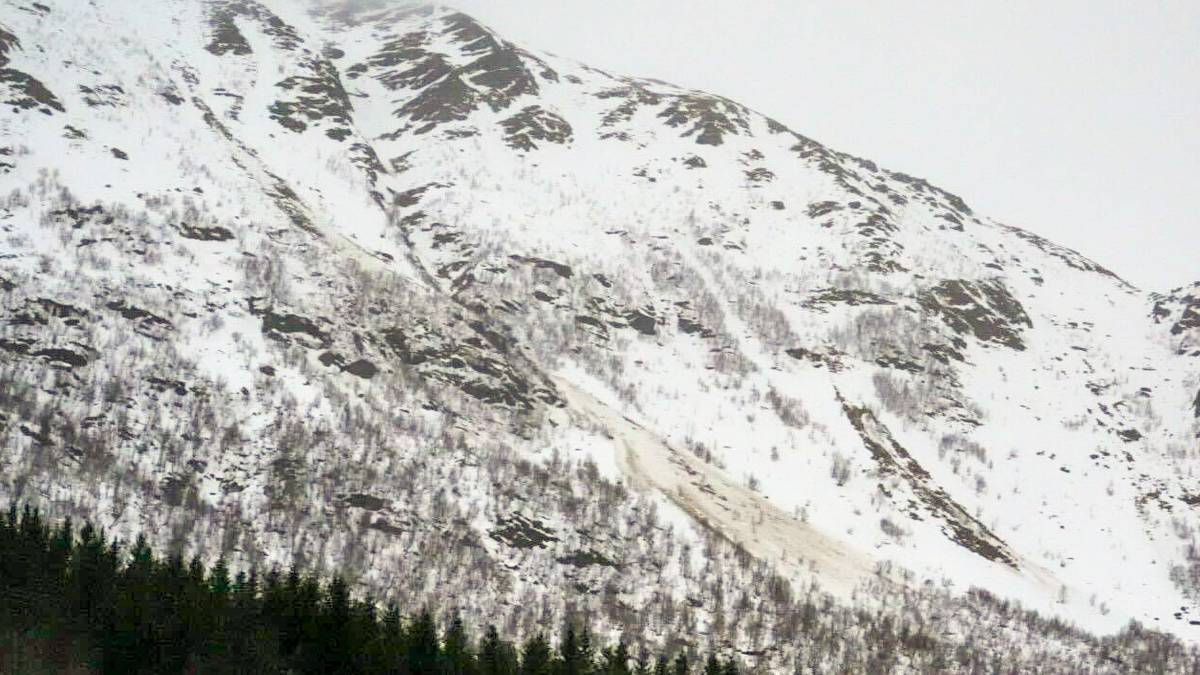
The case in summary: There is a significant risk of avalanches across the country due to mild weather, and NVE has issued an orange danger warning for avalanches in large parts of the country, including popular areas such as Jotunheimen, Romsdal and Lyngen. Avalanche expert Audun Hetland believes that it is a national responsibility to prevent avalanche accidents and that there is a need for a national avalanche center to work preventively and coordinate between different actors. Since autumn 2008, 108 people have died in avalanches in Norway, with 47 of these in Troms, which is more than three times as many as the next county on the list (Nordland). The summary is made by an AI service from OpenAI. The content is quality assured by news’s journalists before publication. With Christmas just around the corner, many people are looking forward to a long-awaited summit trip to the mountains with skis on their feet. But, now it can be a joy. The recent mild weather has led to the Norwegian Directorate of Water Resources and Energy (NVE) issuing an orange danger warning for avalanches in large parts of the country. This applies, among other things, to the popular Jotunheimen, Romsdal and Lyngen. – Wet avalanches can detach themselves due to mild weather and a weak snow cover, NVE warns in its hazard warning for Jotunheimen. AVALANCHE: The danger of avalanches is increased on Sunday from moderate (yellow) to significant avalanche danger (orange) over large parts of the country. Facsimile: Varsom.no Fears more accidents In recent weeks, northern Norway in particular has been hit by several avalanches. In both Tromsø and Narvik, skiers have been taken out by rescue helicopter, after they had been taken by avalanches. Last Tuesday, 4,000 people were isolated due to several landslides in the north. ISOLATED: There have been several avalanches in Troms in recent days. Photo: Henrik Einangshaug / news With a sharp increase in air traffic from Europe to northern Norway, there is great fear that increased tourism will lead to more avalanche accidents. – If you have spent half your inheritance to come to Northern Norway to go skiing, and there is a risk of avalanches, then most people understand that a tourist will stretch a little extra to go to the mountains, says avalanche researcher and head of the research center CARE , Audun Hetland, to news. At the same time, the rescuers struggle to locate foreign tourists when the accident first occurs. WARNING: Avalanche researcher Audun Hetland warns that an avalanche in northern Norway could lead to many deaths. Photo: Truls Alnes Antonsen / news Explosive flight growth In January, Tromsø Airport experienced a growth of 126 per cent in international traffic compared to the same month the previous year. Avinor himself describes the whole thing as “explosive growth in traffic figures”, according to a recent capacity analysis that news has obtained access to. – Even if you do everything right, there is always a risk. If you increase the number of people traveling in avalanche terrain, you get an increasing number of avalanche accidents, says Hetland. Since autumn 2008, 108 people have died in avalanches in Norway, according to figures from Varsom.no. A total of 47 of these have died in avalanche accidents in Troms, which is more than three times as many as the next county on the list (Nordland). Although the statistics do not show clear signs of an increase in recent years, Hetland believes that the risk of more victims is still there. – When we look back at the seasons, I am surprised that there are not more victims, he says. The Hetland Avalanche Center believes that it is a national responsibility to prevent avalanche accidents, and points to the existing national tourism strategy. – Tromsø, Lyngen and Balsfjord have taken the initiative to establish a national avalanche centre. It must work preventively, and must coordinate between the various actors, as well as promote skills development throughout the supply chain. We need that, if this is to go well. The Labor Party’s Sigurd Kvammen Rafaelsen from Finnmark acknowledges that increased traffic increases the risk of landslides. He believes the avalanche center is an exciting initiative. – The competence that is created in Northern Norway, where such incidents unfortunately happen, is competence that can be carried out throughout the country, says Rafaelsen. He himself hopes that the tourist tax can help to remove some of the problems small municipalities are currently experiencing. EXCITING: The expertise in Northern Norway with avalanches is something the whole country needs, points out Sigurd Kvammen Rafaelsen (Ap). Photo: Hanne Wilhelms / news Hitting the little ones In recent years, especially the small Troms municipality of Lyngen, with just under 2,700 inhabitants, has experienced many fatal accidents in the mountains. A review carried out by news shows that between two and four people die each year in the mountains in Nord-Troms, several of whom have been in Lyngen. – When there’s an avalanche accident, it’s a big burden, and it’s like that all over the country. Where the greatest growth is facilitated is in the small district municipalities. It is a national initiative to bring about growth, but the challenges hit the small district municipalities, says Hetland. Member of the health and care committee at the Storting, Erlend Svardal Bøe (H). Photo: Tora Jarnæs Vold / news Troms politician Erlend Svardal Bøe from the Conservative Party believes dialogue is absolutely crucial. – Many of the people who come to go on top tours in Northern Norway are tourists who have good skiing experience, but who do not know the local conditions and challenges well enough, he says, and receives support from the Ap politician from Finnmark. Svardal Bøe himself calls for increased clarity in who has the major overall responsibility for avalanches. – When we talk about avalanche incidents and accidents, we have to take a number of measures, precisely to place the responsibility clearly. Published 14.12.2024, at 11.22
ttn-69