
Understanding Silent Stressors
Our daily lives are often impacted by invisible stress factors that can impact our overall well-being without us even realizing it. These micro-stimuli trigger physiological responses that accumulate over time, ultimately affecting our health. The Mayo Clinic indicates that constant exposure to these subtle stressors can disrupt the endocrine system, leading to chronic health issues.
The Effects of Continuous Stress
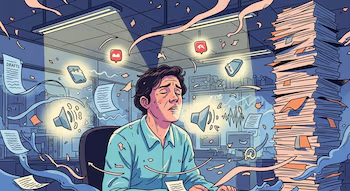
Everyday environments—be it offices, homes, or urban spaces—are rife with almost imperceptible factors that disrupt our nervous system, circadian rhythm, and hormonal balance. Key stressors include:
- Thermal discomfort: Uncomfortable temperatures can raise our heart rates and impact cardiovascular health.
- Poor lighting: Insufficient natural light can lead to fatigue and concentration issues.
- Constant noise: Exposure to environmental noise can elevate blood pressure and even impair sleep.
- Shallow breathing: Common during sedentary activities, this can lead to heightened heart rates.
- Lack of disconnection: Being constantly connected keeps the stress levels high.
- Permanent multitasking: This consumes cognitive energy and increases stress levels.
- Decision fatigue: Continuous decision-making drains our mental resources, making us feel more exhausted.
- Absence of breaks: Neglecting to take short breaks compounds stress and fatigue.
The Cumulative Impact on Health
The cumulative effects of these stressors often lead to persistent fatigue, sleep disturbances, and reduced concentration abilities. These effects may go unnoticed until significant harm has been done. For instance, the body’s efforts to maintain a stable internal temperature when faced with thermal discomfort can shift blood flow and metabolism, further straining the cardiovascular system.
Regulating Circadian Rhythm
Light plays a crucial role in regulating circadian rhythms, which are essential for melatonin and cortisol production. Lack of natural light can lead to mood disorders and cognitive difficulties. The National Sleep Foundation suggests that exposure to sunlight for 10-20 minutes in the morning can help restore biological rhythms.
Strategies to Mitigate Stress
Counteracting these invisible stressors requires simple yet effective strategies:
- Practice deep breathing: Schedule breaks to engage in deep breathing exercises, inhaling for four seconds and exhaling for eight.
- Limit work availability: Set boundaries for work hours and silence notifications to promote disconnection and improve sleep quality.
- Avoid multitasking: Focus on a single task at a time to enhance efficiency and reduce stress.
- Incorporate microbreaks: Short, scheduled breaks of five or ten minutes can improve recovery and reduce accumulated stress.
Automating Routine Decisions
Automating mundane tasks, such as meal prepping or organizing clothes, reduces the cognitive load of daily decisions. This helps combat what the Max Planck Institute describes as decision fatigue, which can exacerbate exhaustion.
Conclusion
Recognizing and addressing these invisible stressors is vital for enhancing well-being. Incorporating habits like exposure to natural light, deep breathing exercises, scheduled breaks, and automation of routines can significantly strengthen the body’s resilience against stress. By doing so, we can protect our health and promote a higher quality of life.