
State of Spanish Roads: A Concerning Overview
Over half of the Spanish road network is suffering from serious or very serious damage, as highlighted by the latest report from the Spanish Road Association (AEC). In recent years, the deterioration has increased alarmingly, with repair costs now exceeding 13 billion euros. Aragón, in particular, ranks lowest in road conditions among all Autonomous Communities.
The Escalating Situation
The AEC’s July 2025 audit describes the current state of the road network as the worst seen since the late 1980s. In 2022, only 13,000 kilometers of roads were reported to have severe pavement damage. Now, that figure has swelled to approximately 34,000 kilometers, indicating a nearly threefold increase in just three years.
Understanding “Serious Impairment”
The AEC classifies road damage into two urgent categories. Firstly, 34,000 kilometers require immediate reconstruction due to serious structural issues, such as deep potholes and extensive cracking. Secondly, an additional 20,000 kilometers need intervention within four years. Altogether, over 54,000 kilometers out of a total of 101,700 are in various stages of deterioration.
Financial Ramifications
The total maintenance deficit for roads stands at 13.49 billion euros, a figure which has risen by 42.7% since 2022 due to inflation and increased costs of materials and labor. The breakdown indicates that 4.72 billion euros pertain to the state network, while 8.77 billion relate to roads managed by regional and provincial authorities.
Aragón: A Critical Condition
Aragón has the highest percentage of seriously deteriorated roads, with 68% of the road network classified as needing immediate action—16 points above the national average. The cost per kilometer in this region reaches an alarming 150,632 euros, a figure underscoring the risks associated with driving on poorly maintained roads.
Comparative Road Conditions Across Spain
Following Aragón, Castilla-La Mancha and Galicia come next, with 59% of their road networks in serious condition. Other affected regions include Asturias, La Rioja, and Murcia, all exceeding the 52% national average. Conversely, the Valencian Community, Madrid, and Extremadura report the lowest percentages of deterioration, at 32%, 38%, and 40% respectively.
The Hidden Costs of Poor Road Conditions
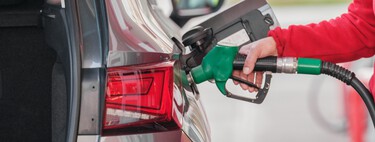
According to AEC estimates, driving on poorly maintained roads can increase fuel consumption by up to 12%. From July to August of last year alone, the overspending on gasoline and diesel due to these conditions was estimated at over 270 million euros. Additionally, the reduction in average driving speed by 10% further inflates transportation costs, contributing to higher prices for goods.
Innovations in Road Assessment
Until recently, road audits were performed using traditional visual inspection methods. In 2023, the AEC shifted to a digital inspection system powered by artificial intelligence. This technology utilizes vehicles equipped with sensors that travel at speeds of up to 90 km/h, allowing for the collection of comprehensive data from 4,000 kilometers of road compared to just 300 previously analyzed.
Proposed Solutions
The AEC has long advocated for a dedicated and stable funding mechanism for road maintenance, which could involve public budgets, European funds, and public-private partnerships. They propose a model where the special hydrocarbon tax also applies to other forms of transport, potentially generating 4.09 billion euros annually to address the maintenance deficit in just over three years.
Recently, Minister of Transport Óscar Puente announced a financial injection of 1.629 billion euros aimed at tackling these issues, although experts agree it falls significantly short of what’s needed.