
## Aftermath of Algeria’s 2026 World Cup Exit
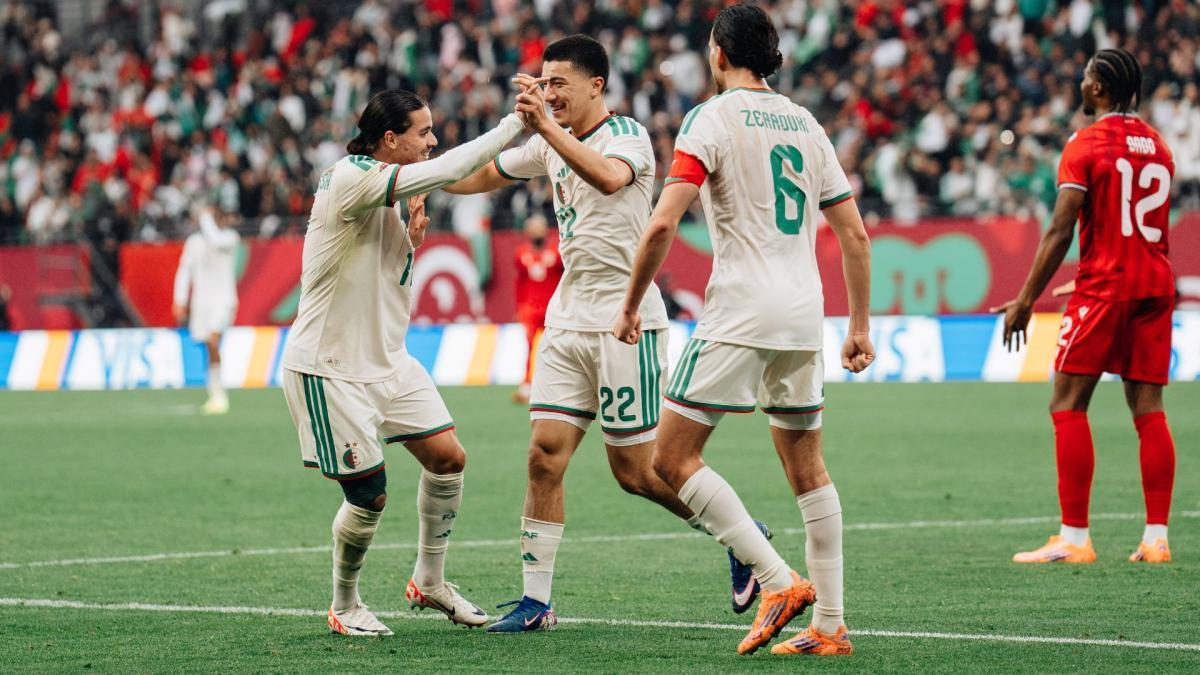
The recent elimination of Algeria in the round of 16 of the 2026 World Cup has sent shockwaves through the nation’s football community. A 2-0 defeat against Switzerland exposed a lack of preparedness that accompanied the Fennecs throughout the tournament. Their journey began with a lackluster group stage, creating deep disappointment among fans who hoped for a spirited return on the world stage after a 12-year absence.
## Tactical Missteps and Leadership Issues
The poor performances against teams like Argentina, Jordan, and Austria raised significant concerns about the tactical decisions made by head coach Vladimir Petkovic. His management style has been scrutinized heavily, especially after his post-match comments that seemed to brush off the disappointment of merely qualifying for the tournament. These remarks widened the divide between the team and its supporters, who had larger aspirations for this promising generation of players, seen as potential champions on both African and international stages.
## The Contract Quandary
Following the disappointing exit, it seemed inevitable that Petkovic would part ways with the national team. However, earlier contract extensions complicated this process, effectively locking the Algerian Football Federation (FAF) into a costly arrangement. The federation’s attempts to negotiate a mutual termination were met with resistance, as Petkovic had little incentive to walk away from a lucrative contract that extended until 2028. Consequently, some reports suggest that the FAF is considering placing an Algerian assistant coach into Petkovic’s team, an approach that has not been well received by fans and experts alike.
## Walid Sadi’s Optimistic Diagnosis
In stark contrast to the prevailing discontent among supporters, FAF president Walid Sadi reportedly asserted that the national team had met, if not exceeded, its objectives during a recent federal office meeting. According to the Algerian daily, Al Khabar, Sadi believes that achieving a round of 16 finish coupled with a quarter-finals appearance in the African Cup of Nations reflects a successful tenure. This assessment has raised eyebrows, especially as it diverges sharply from the sentiments of fans who see the team as struggling with identity and direction.
## Lack of Accountability and Transparency
Perhaps the most alarming aspect of the ongoing crisis is the apparent lack of dissent within the FAF regarding Sadi’s positive assessment. Reports indicate that no other members questioned the decisions surrounding Petkovic’s extension, perpetuating an environment of unchallenged leadership. This silence is particularly unsettling given that many believe that the extension is a key factor contributing to the current turmoil.
As the federation attempts to rekindle public trust, the communication strategy of the FAF has also come under scrutiny. A recent promotional video featuring a smiling Walid Sadi seemed to aim at showcasing unity, although critics argue that such optics do nothing to address the pressing concerns and dissatisfaction among fans.
## Conclusion: A Call for Transparency
As Algerian football grapples with the aftermath of the World Cup exit, the need for clear, transparent communication from the FAF has become increasingly vital. Fans are demanding accountability, not just public relations maneuvers. Moving forward, the federation must confront the challenges head-on, addressing leadership issues and nurturing a team that can reclaim its former glory. If not, the future of Algerian football could remain as uncertain as ever.