
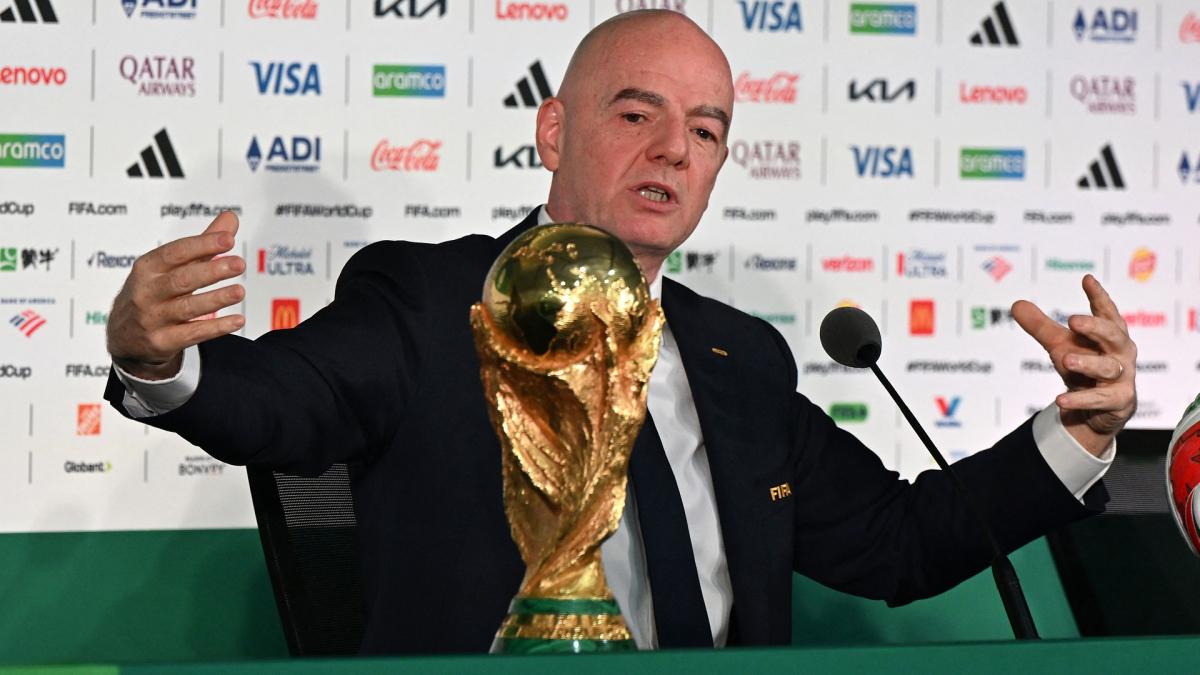
The Balogun Affair: A Turning Point for FIFA
The recent Folarin Balogun affair represents a critical juncture in FIFA’s history. Balogun, the American striker, was sent off during a match against Bosnia-Herzegovina, which led to an automatic suspension for the ensuing round of 16 against Belgium. However, an extraordinary intervention by FIFA’s Disciplinary Commission allowed him to play again. This controversial decision has occurred amid growing tensions between FIFA and global political powers, particularly the United States.
Political Interference
The situation escalated when Donald Trump directly contacted Gianni Infantino, FIFA’s president, to advocate for a review of Balogun’s suspension. The White House even deployed a legal team to challenge the sanction. This unprecedented move caused concern among FIFA officials, as it raised alarms about the increasing political influence over the sport. During the 2026 World Cup, Trump has maintained a prominent presence at crucial FIFA events, further blurring the lines between politics and football.
Controversies Surrounding the World Cup
Infantino’s actions have also attracted scrutiny beyond the Balogun affair. Earlier, he controversially awarded Trump a Peace Prize, despite the latter’s contentious international policies. Challenges related to visa and travel restrictions affecting certain delegations—often coinciding with American immigration policies—added fuel to the fire. Critics argue that FIFA has failed to stand up against the host country’s administration, which undermines the organization’s commitment to its own regulations and values.
A Growing Revolt Within FIFA
The Souring Atmosphere
Behind closed doors, a revolt against Infantino is reportedly brewing among various federations and members of the FIFA Council. Many officials view the handling of the Balogun affair as a dangerous precedent, raising fears that similar interventions could be sought by other federations in the future.
According to sources from the New York Times and Politico, there is talk of formal complaints regarding Infantino’s governance. The Belgian Football Federation is at the forefront of this movement, seeking allies among European nations. UEFA has hinted at supporting a rival candidate in the 2027 presidential election, aiming to end Infantino’s prolonged reign.
FIFA’s Electoral Landscape
Despite growing dissent, Infantino remains the electoral favorite, buoyed by robust support from Africa, Asia, and South America. His financial redistribution program promises $2.7 billion to federations in the upcoming cycle, consolidating his political power. Yet, such financial strategies may not fully mask the damage to his moral authority. FIFA finds itself in a precarious position, perceived as succumbing to external pressures rather than upholding its independence.
The Future of FIFA’s Governance
The Balogun affair has unveiled a significant divide within FIFA’s governance structure. As allegations of political influence circulate, the organization is at a crossroads. Will Infantino manage to navigate through this turmoil and retain his grip on power, or will the mounting pressures from disgruntled federations lead to a transformative shift in leadership?
As the 2026 World Cup continues, all eyes will remain on the unfolding drama within FIFA and its implications for the future of world football. The integrity of the sport hangs in the balance, and the actions taken in the upcoming months will undoubtedly define its landscape for years to come.