
The Rise of Chinese Humanoid Robotics
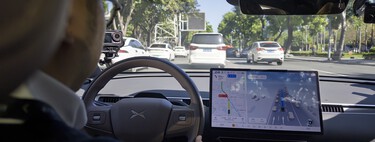
China is not lagging in the humanoid robotics race; instead, it is leveraging its existing infrastructure—factories, suppliers, engineers, and software—that are already optimized for production. This advantage is hard to surpass. According to CITIC Securities, over 60% of the supply chain for electric vehicles, including sensors, motors, batteries, chips, and algorithms, overlaps with that of humanoid robots.
XPeng’s Innovative Approach
One of the frontrunners in this sector, XPeng, claims that its humanoid robot reuses 70% of the same AI technology found in its cars. If these figures prove accurate and without caveats, Chinese electric vehicle manufacturers are not merely aspiring to enter the robotics field; they are positioned as serious contenders for dominance.
The Panoramic View
A recent analysis by Kaiyuan Securities reveals that fifteen Chinese automotive brands have initiated humanoid robot programs. Notably, China already produces 70% of the components used in traditional industrial robotics. This leap into humanoid technology capitalizes on the same factories, suppliers, and talent pools that have contributed to its automotive leadership.
The situation bears a resemblance to what Tesla is doing with its Optimus robot. However, China’s approach involves multiple companies making strides in parallel, allowing for rapid advancements that no single entity can replicate.
Challenges Ahead
Despite the optimistic outlook, several obstacles loom over China’s humanoid robotics ambitions. Recent coverage noted that XPeng’s IRON robot fell during its debut at a shopping mall in Shenzhen, highlighting the challenges inherent in robotics development, even for well-established companies.
Fundamental Differences in Technology
Operating a vehicle on the road is fundamentally different from a humanoid navigating through indoor spaces. Roads are structured environments with lanes and signs, while homes and workplaces are filled with stairs, furniture, and moving people. The manual dexterity and dynamic balance required for humanoid robots have no equivalent in automotive technology. This gap in capabilities has prompted some of the brightest minds in the industry, including former XPeng executives, to establish their own robotics startups, emphasizing the need for specialized knowledge in this field.
Contrasting Paths
Unitree, a robotics-only company with no automotive ties, successfully distributed 5,500 robots in just one year. Similarly, Agibot is nearing 1 billion yuan in revenue, showcasing the effectiveness of firms built specifically for the robotics sector. These companies are already delivering products while automotive brands remain in the process of restructuring to tackle humanoid robotics.
Technological Overlap and Future Direction
While the overlap between the technology needed for cars and robots is significant, challenges emerge when robots are required to manipulate objects with precision or maintain balance on uneven surfaces. This “frontier,” the 30% of technology that does not easily transfer from automotive to robotics, may ultimately define which companies will dominate the industry in the years to come.
The global landscape of humanoid robotics is evolving quickly, with China manufacturing 90% of the world’s humanoid robots. This remarkable achievement is not simply a product of policy but also the result of innovation and rapid execution, allowing China to maintain its competitive edge in both autonomous driving and robotics.
In conclusion, while challenges exist, China’s established automotive industry has paved the way for its emerging humanoid robotics sector. With continued investment and innovation, these manufacturers may redefine the future of robotics, just as they have in the automotive industry.