

The Changing Landscape of Tipping in Spain: A New Norm?
Matías, an editor at Xataka, recently had an intriguing experience while dining at an Argentine restaurant in Málaga. After finishing his meal, he asked for the bill and was surprised to find a suggested tip of 5% included. This practice, which runs counter to traditional Spanish dining culture, is becoming increasingly common in various establishments across the country. After reviewing the ticket, Matías and his friend opted not to leave the suggested tip, prompting a deeper reflection on the evolving norms of tipping in Spain.
The Phenomenon of Suggested Tips
The encounter Matías had at “The Brand” in Málaga is not an isolated incident. In cities like Madrid and Barcelona, many restaurant bills now show suggested tips, which can go up to 10% . For example, a 197 euro bill might turn into a 217 euro bill, as reported in places like Manero and Mar María. Such suggestions are more often seen in tourist-heavy areas catering to visitors with higher purchasing power. These establishments have also implemented digital terminals that automatically propose leaving a tip, creating a new dynamic in service interactions.
Declining Cash Transactions
In recent years, the typical diner’s experience has shifted dramatically. According to the Spanish hospitality employer association, the trend post-pandemic is that diners are leaving less cash, which has begun to affect tipping habits. A report from the European Central Bank corroborates these findings, highlighting a decrease in tips left in service industries.
The American Tipping Culture
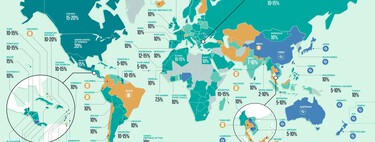
In stark contrast, tipping in the United States is ingrained in the dining culture. While tips are technically voluntary, societal norms dictate that customers should tip between 15% and 20% . The rationale for this expectation stems from a federal minimum wage for tipped workers that stands at a mere $2.13 per hour , a figure that has remained unchanged since 1991 . As a result, many Americans feel pressured to tip well in order to ensure that servers can earn a living wage.
Impacts of Inflation and Rising Expectations
Despite the long-standing tradition of tipping, even in the U.S., there has been a decline in the average tip amount. This change has been influenced by the 137.19% inflation experienced over the past three decades. Consequently, diners are often reluctant to leave generous tips, leading to conversations about “tip fatigue.” Interestingly, the practice of tipping has European origins, dating back to 16th century England .
Why Tipping Isn’t Widespread in Europe
In Spain and much of Europe, tipping is not as prevalent due to differences in salary structures. Waitstaff in Spain receive a legal wage that doesn’t rely on tips for a living. Tipping in Spain has traditionally been viewed as a reward for good service, which creates a cultural disconnect when compared to the tip-dependent service industries in the U.S. This leads to frustration among some American visitors, particularly when they receive a suggestion for a tip that significantly increases their total bill.
Emerging Bad Practices
The introduction of suggested tipping percentages is not without controversy. Instances have been reported where tips were disguised as part of a total payment, creating confusion for consumers. Some waitstaff have even voiced concerns about the pressure these practices place on both customers and employees, arguing that they encourage low wages. Organizations like Facua have condemned these tactics, arguing that they undermine consumers’ rights and may constitute a legal violation in Spain.
The Future of Tipping
As the cultures of tipping continue to evolve, particularly with technological advancements such as tablets pre-loaded with tipping options, it begs the question: how will dining and service standards adapt? While Spain may not be on the same path as the U.S. regarding the prevalence of mandatory tipping, the incorporation of suggested tips could hint at a gradual shift. As dining habits evolve and customer experiences adapt, the landscape of service gratuities may very well redefine itself in the years to come.
Ultimately, as the practice of tipping continues to be a topic of discussion and debate, it is crucial for both customers and service workers to navigate this changing terrain with understanding and adaptability.